-
SPRZĘT
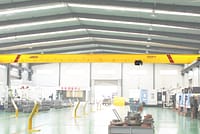
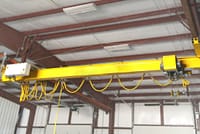
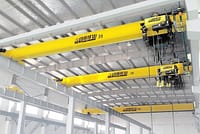
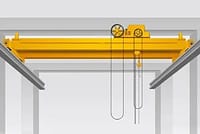
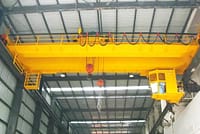
- Suwnica Pomostowa
-
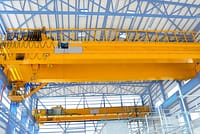
Suwnica Bramowa
-
Suwnica Bramowa Jednodźwigarowa
-
Suwnica Bramowa Dwudźwigarowa
-
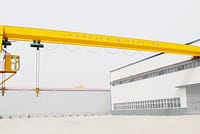
Suwnica półbramowa do wydajnego i elastycznego transportu materiałów
-
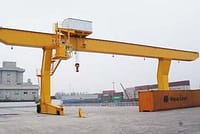
Suwnica bramowa jednodźwigarowa typu L do obsługi długich ładunków na zewnątrz
-
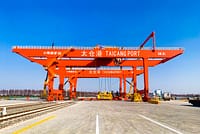
Suwnica bramowa do obsługi kontenerów
-
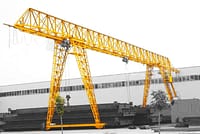
Suwnica bramowa jednodźwigarowa MH
-
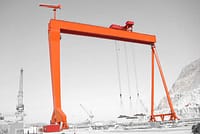
Suwnice bramowe Goliath dla stoczni i budownictwa okrętowego
-
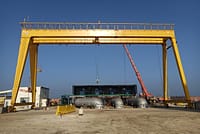
Suwnica bramowa dwudźwigarowa zgodna ze standardem FEM
-
- Żurawie Warsztatowe
- Suwnica Pomostowa
- Suwnica robocza
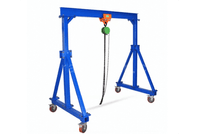
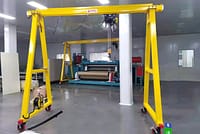
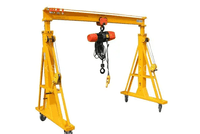
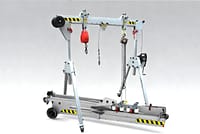
- Przenośny suwnica bramowa
-
dźwigi specjalne
-
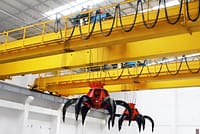
Chwytak do śmieci Żurawia
-
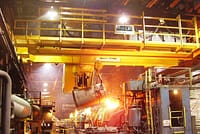
Odlewnia Żurawia Napowietrzna
-
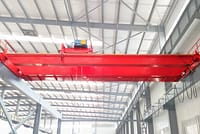
Dźwig suwnicowy przeciwwybuchowy
-
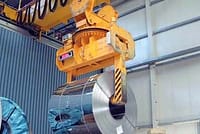
Tongi Napowietrzny dźwig
-
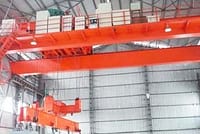
Dźwig suwnicowy z belką nośną
-
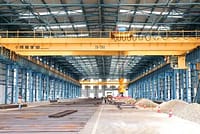
Suwnice elektromagnetyczne
-
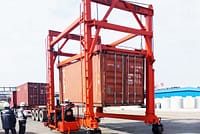
Wózek platformowy z napędem hydraulicznym i silnikiem wysokoprężnym: elastyczna obsługa i niedrogie rozwiązanie do obsługi kontenerów
-
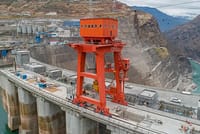
Suwnica bramowa do górnej bramy przelewowej: niezawodne rozwiązanie do podnoszenia bramy zapory i obsługi elektrowni wodnych
-
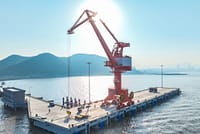
Suwnica portalowa: wydajne i inteligentne rozwiązania dla efektywnej obsługi portowej
-
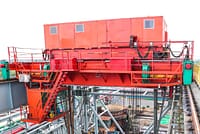
Dźwig do pojemników na koks dla CDQ: Wyjątkowa, ciężka praca przy obsłudze rozgrzanego do czerwoności koksu
-
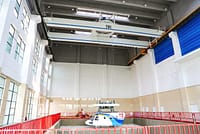
Specjalistyczny dźwig ratunkowy do symulacji ratownictwa wodnego: zaprojektowany do szkoleń ratownictwa
-
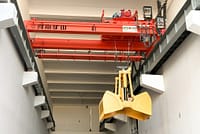
Inteligentny suwnica chwytakowa: wydajne, precyzyjne i bezobsługowe rozwiązanie do obsługi materiałów sypkich
-
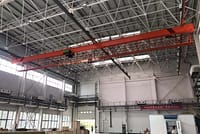
Suwnica pomostowa z zawieszeniem wielopunktowym na zamówienie do budynków przemysłowych o dużej rozpiętości i dużej wrażliwości na obciążenia
-
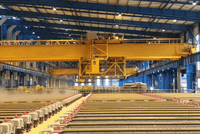
Suwnice do miedzi elektrolitycznej: Specjalizują się w wydajnym załadunku i przenoszeniu zbiorników z płytami katodowymi
-
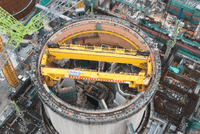
Suwnice polarne do elektrowni jądrowych: wielofunkcyjne maszyny podnoszące dla elektrowni jądrowych
-
-
Przemysł Żurawia
-
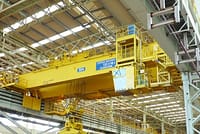
Przemysł Żurawia
-
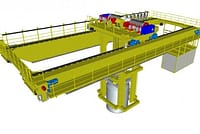
Żurawie do kadzi rozlewowych
-
Żurawie płytowe (Slab Cranes)
-
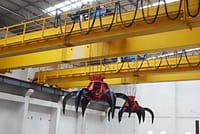
Żurawie złomowe
-
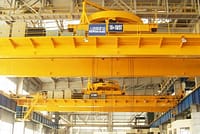
Żurawie do kęsów bilardowych
-
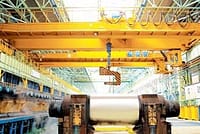
Żurawie do obsługi cewek, prętów i płyt
-
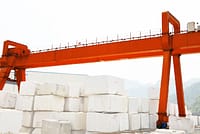
Cement i prefabrykaty dźwigowe
-
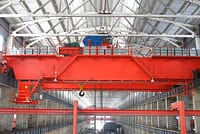
Dźwig elektrowni
-
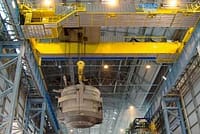
Żurawie ladowe
-
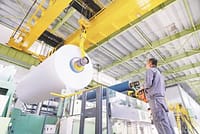
Suwnice przemysłu papierniczego
-
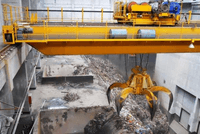
Suwnice do przetwarzania odpadów na energię i suwnice do przetwarzania biomasy
-
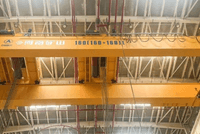
Suwnice pomostowe dostosowane do potrzeb przemysłu lotniczego: wysoka precyzja, wydajność, bezpieczeństwo i niezawodność
-
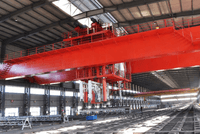
Wielofunkcyjne dźwigi do wypiekania anod: wszechstronne, odporne na wysokie temperatury i inteligentnie sterowane – niezbędne w branży aluminium elektrolitycznego
-
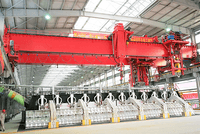
Wielofunkcyjny dźwig do elektrolizy aluminium: spełnia wszystkie wymagania procesów elektrolizy aluminium, zwiększa wydajność zakładu
-
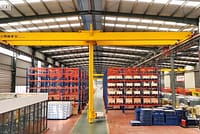
Suwnica układnicowa do magazynów AS/RS: wysoka wydajność, niezawodność, w pełni zautomatyzowane składowanie
-
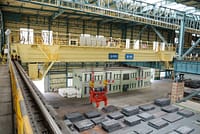
Suwnica do transportu płyt: Suwnica hutnicza do ciągłego odlewania i składów płyt
-
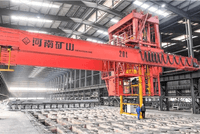
Suwnice do układania bloków węglowych anodowych: układanie 6-warstwowe, rozwiązanie podnoszące zapewniające wydajny transfer w zakładach węglowych
-
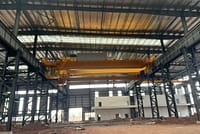
Suwnica hartownicza do obróbki cieplnej: rozwiązanie suwnicowe zorientowane na proces
-
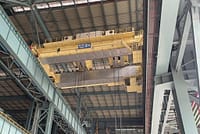
Bezpieczna i stabilna suwnica do załadunku złomu w procesach metalurgicznych
-
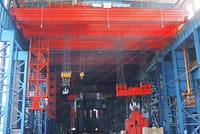
Suwnica kuźnicza: Niezawodny sprzęt podnoszący do ciężkich warsztatów kuźniczych
-
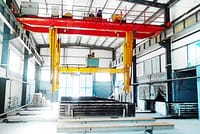
Suwnica do obsługi form na linii produkcyjnej AAC: niezawodne, zaprojektowane rozwiązanie do podnoszenia w stałej pozycji
-
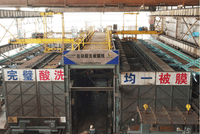
Suwnice trawiące: do środowisk z kwaśną mgłą w hutnictwie metali nieżelaznych
-
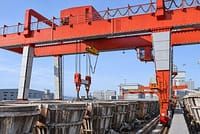
Suwnica bramowa MGY do transportu kadzi i żużla
-
-
Wózek wyciągarki i wciągarki
-
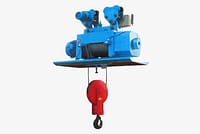
Odlewanie Elektryczny wciągnik linowy linowy
-
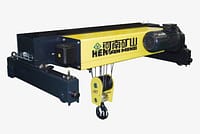
Europejski model wciągnika elektrycznego
-
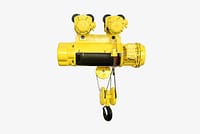
Wciągnik elektryczny przeciwwybuchowy
-
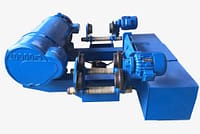
Wciągnik elektryczny do niskiego pomieszczenia
-
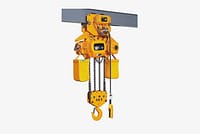
Elektryczny wciągnik łańcuchowy
-
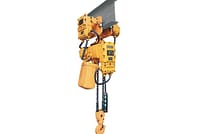
2 rodzaje elektrycznych wciągników łańcuchowych przeciwwybuchowych do stref niebezpiecznych: ochrona przed gazem i pyłem
-
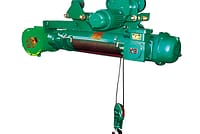
2 rodzaje elektrycznych wciągników linowych odpornych na wybuchy do zastosowań przemysłowych: niezawodne rozwiązania odporne na gaz i kurz
-
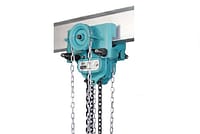
Wciągniki ręczne do precyzyjnego podnoszenia: poznaj 3 sprawdzone typy zapewniające pracę bez użycia energii
-
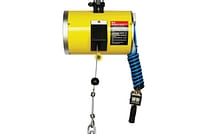
Wciągniki pneumatyczne: 4 specjalistyczne konstrukcje zapewniające precyzję, bezpieczeństwo i pracę w trudnych warunkach
-
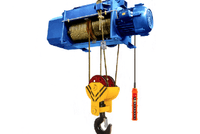
Wciągnik elektryczny typu HC: wytrzymały wciągnik linowy do podnoszenia ciężkich ładunków w fabrykach
-
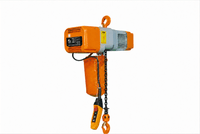
Stały, jednobiegowy elektryczny wciągnik łańcuchowy
-
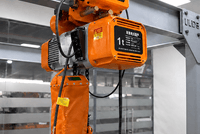
Wciągnik łańcuchowy elektryczny jednobiegowy montowany na wózku
-
-
Rozrzutnik CRANE
-
Magnesy elektromagnetyczne do podnoszenia dźwigów
-
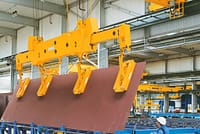
Elektromagnes podnoszący do obracania i zawieszania bocznego
-
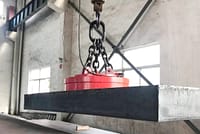
Elektromagnes podnoszący do grubych płyt
-
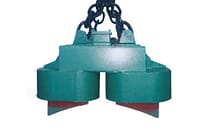
Specjalistyczny elektromagnes do podnoszenia blach stalowych
-
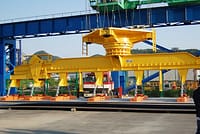
Elektromagnesy podnoszące do podnoszenia płyt stalowych
-
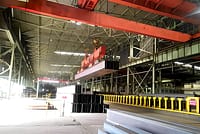
Elektromagnes podnoszący do szyn ciężkich i stali profilowanej
-
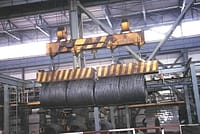
Elektromagnes podnoszący do szybkiego wiertła (pręt zwinięty)
-
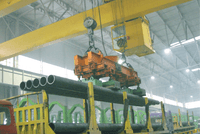
Elektromagnes podnoszący do prętów zbrojeniowych i rur stalowych
-
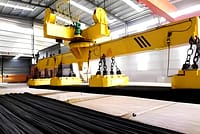
Elektromagnes podnoszący do wiązek prętów zbrojeniowych i stali profilowanej
-
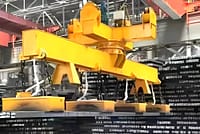
Elektromagnes podnoszący do kęsów, kęsów dźwigarów i płyt
-
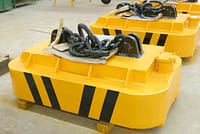
Elektromagnes podnoszący do złomu stalowego
-
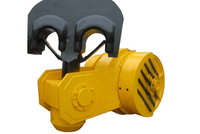
- Rozpieracz dźwigu
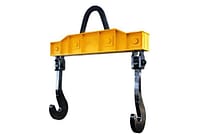
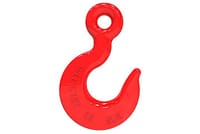
- Hak Dźwigu
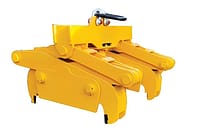
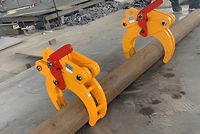
- Kleszcze i zaciski dźwigowe
-
Magnesy elektromagnetyczne do podnoszenia dźwigów
- CZĘŚCI DŹWIGU
-
Wózek transferowy
-
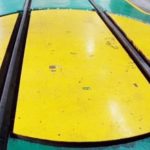
Wózek transferowy z płytą obrotową
-
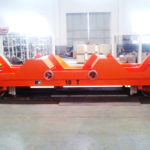
Wózek do transportu cewek stalowych
-
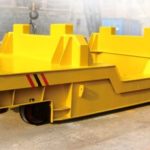
Wózek transportowy
-
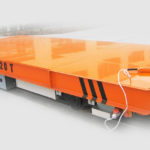
Wózek transferowy akumulatora KPX
-
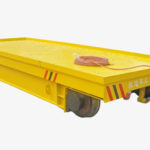
KPJ Wózek z kołowrotkiem linowym
-
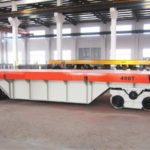
Wózek na kable KPT Mobile
-
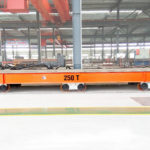
Wózek niskonapięciowy KPDZ
-
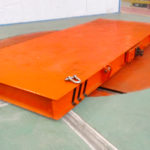
Wózek transportowy z wózkiem skrętnym
-
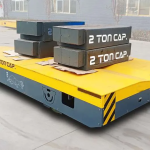
Wózki transportowe AGV: efektywny wybór do zautomatyzowanego, inteligentnego transportu materiałów
-
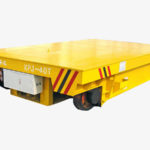
Samochód transferowy
-