In 2026, the global crane industry ushers in a new round of major standard upgrades. The ISO, EN and GB/T standard systems have released significant updates covering key areas including measurement management, operator cabin design, steel wire rope connections and safety limiters. Against this backdrop, understanding the latest overhead crane regulations is essential, as these revisions will directly impact equipment selection, project acceptance and full-lifecycle compliance. This article comprehensively sorts out the 2026 overhead crane regulations, and analyzes the practical impacts of new rules on buyers and manufacturers, helping you avoid compliance risks and gain a leading technological edge.
标准编号
Effective Date
Replaced Standard
Key Updates
Applicable Components
ISO 10012:2026
February 2026
ISO 10012:2003
Upgraded from a guideline to a requirements standard, eligible for third-party certification
Load indicators, torque limiters, weighing systems
GB/T 20303.4-2025
March 1, 2026
GB/T 20303.4-2009
Extended scope to control stations, added connection structure requirements
Design and manufacturing of operator cabs and control stations
Added event recorder, data recorder, and self-check function
Safety limiters and indicator systems
EN 13001-3-5:2025
From 2026
EN 13001-3-5:2016+A1:2021
Adopted Limit State Method, strengthened fatigue verification requirements
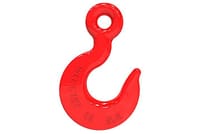
Design of forged and cast steel lifting hooks
I. ISO International Standards
ISO 10012:2026 — Quality Management — Requirements for Measurement Management Systems
Effective Date: February 2026
Replaces: ISO 10012:2003 (first revision in 23 years)
Relevance to Crane Industry: Affects calibration and management systems for load indicators, torque limiters, and weighing systems.
Key Updates:
The old ISO 10012:2003 was a guideline standard, while the new ISO 10012:2026 is a requirements standard, allowing companies to establish a measurement management system and obtain third-party certification.
Weighing system management shifts from hardware functionality to precise measurement. The new standard requires a complete measurement uncertainty evaluation process and quantitative error analysis.
Full lifecycle management of measuring equipment is stricter, requiring a complete record chain from procurement, calibration, use, to disposal, with retention periods of at least the equipment lifecycle plus three years.
Impact on Buyers:
Request calibration records for measuring equipment, including calibration certificates and error analysis reports for load limiters and weighing systems.
Include measurement management requirements in maintenance manuals, specifying recalibration cycles and methods for new equipment.
Impact on Manufacturers:
Requires investment in establishing a measurement management system compliant with ISO 10012:2026, including documentation, calibration plans, and personnel training.
Certification costs if seeking third-party certification, plus regular audits.
II. Chinese National Standards (GB/T)
GB/T 20303.4—2025 — Cranes — Operator Cabs and Control Stations
Effective Date: March 1, 2026
Replaces: GB/T 20303.4—2009
Key Updates:
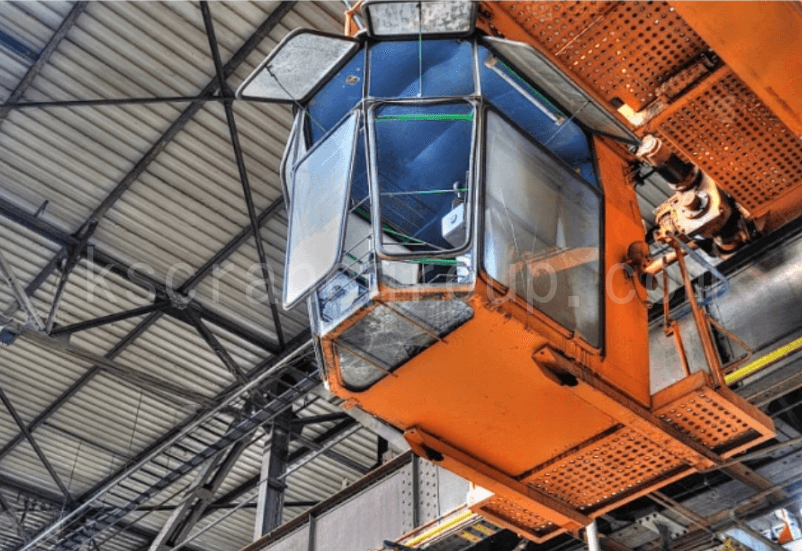
Standard renamed to “Cranes — Operator Cabs and Control Stations,” expanding scope from operator cabs to include control stations, covering fixed control stations and other operation modes.
2D schematic diagrams upgraded to 3D diagrams for better visualization.
New requirements for internal operational space in cabs, not just external dimensions. Added structural connection requirements between cab and crane body for improved safety.
Seat vertical adjustment range reduced from 50mm to 30mm. Added seat locking device requirements.
New safety measures to prevent glass from falling outward.
Impact on Buyers:
Better operational comfort and higher safety levels. Compliant equipment offers more reasonable operating environments, reliable cab structures, and improved safety protections.
Impact on Manufacturers:
Requires re-evaluation of cab interior layout, connection structures, and safety designs, especially for new port cranes, portal cranes, and large boom cranes.
GB/T 5973-2026 — Wire Rope End Connections for Cranes
Effective Date: March 1, 2026
Replaces: GB/T 5973-2006
Key Updates:
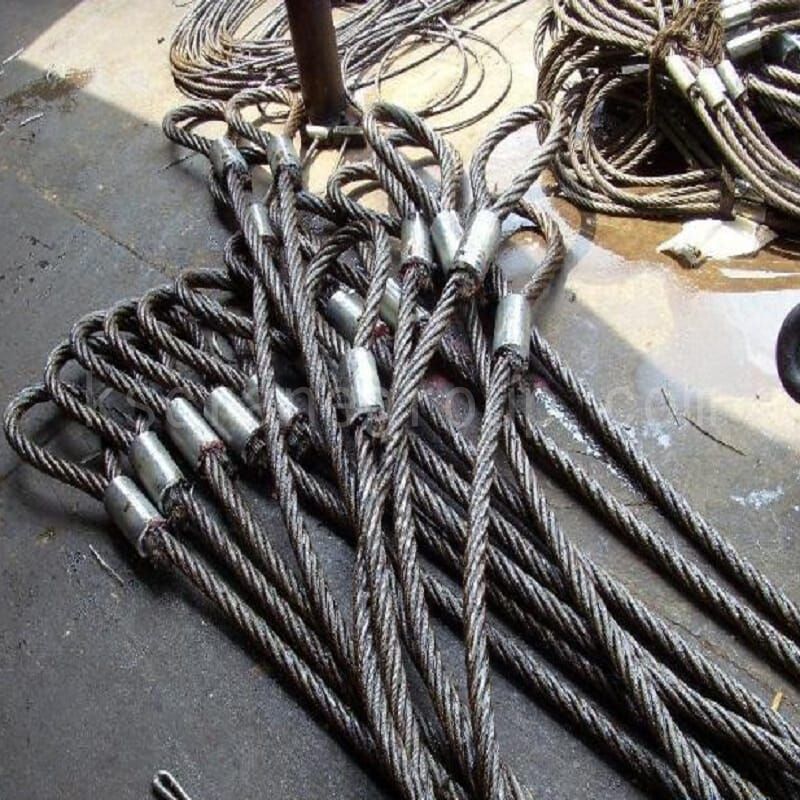
New cast resin/metal socket joint type added. Old standard only specified wedge socket connections. Cast socket joints offer better strength and fatigue performance and are more widely used in crane projects.
Applicable wire rope strength grade coverage expanded to round strand wire ropes up to 1960MPa, compared to old standard’s limited scope.
Impact on Buyers:
Request compliance declarations for end connections during equipment acceptance. When replacing connections during maintenance, purchase products meeting GB/T 5973-2026.
Impact on Manufacturers:
If only producing wedge sockets, evaluate whether to add cast socket production capacity, which requires different processes and equipment.
Existing wedge socket products need to be checked against new technical requirements, including dimensions, material properties, and load capacity.
GB/T 24810.1-2026 — Cranes — Limiters and Indicators
Effective Date: August 1, 2026
Replaces: GB/T 24810.1-2009
Key Updates:
Terminology changed from “limit switches” to “limiters” across all types (e.g., “hoist limit switch” to “hoist limiter”).
Two new important terms: event recorder (accident data recorder) and data recorder (data collector).
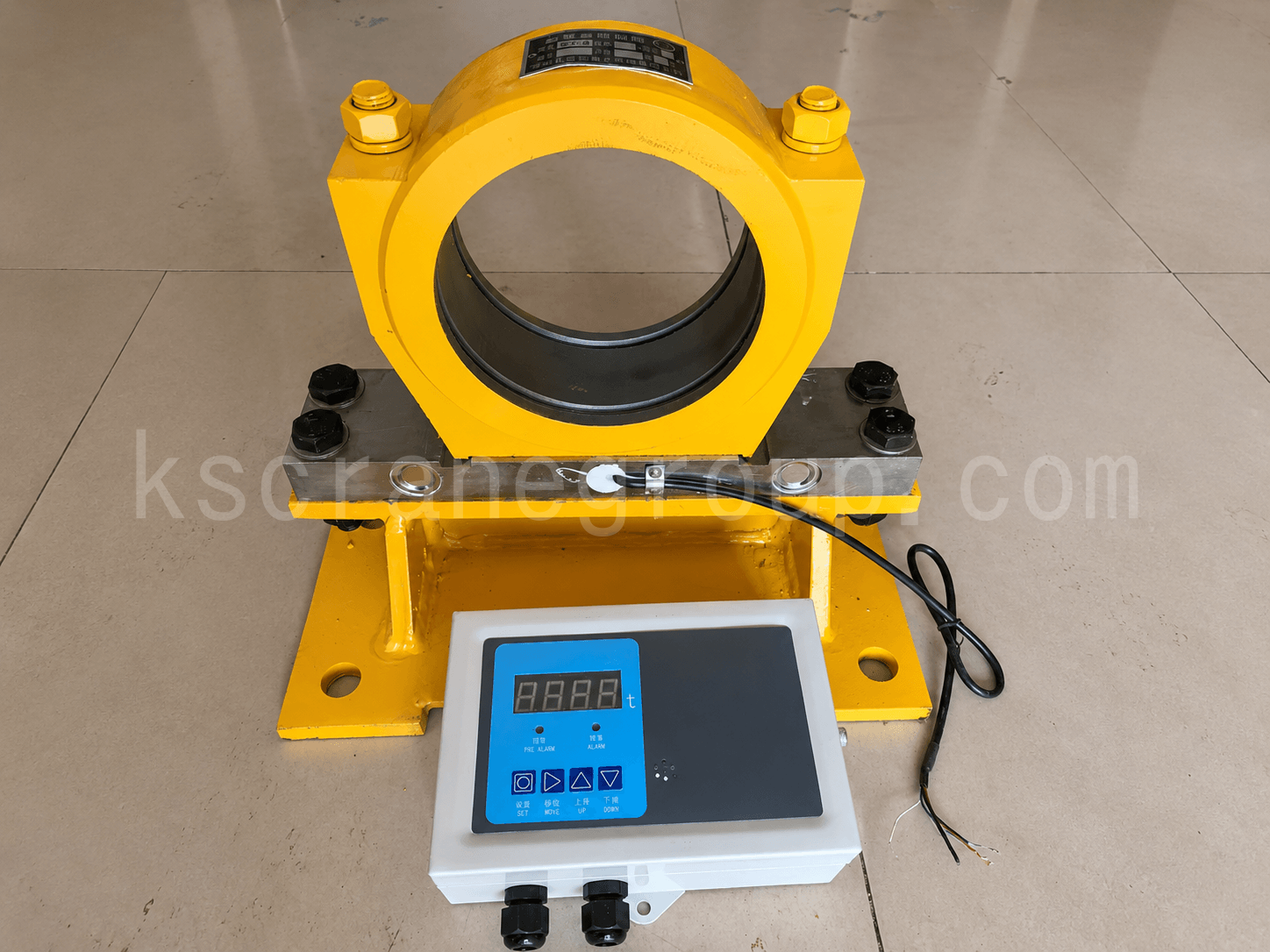
New self-check requirement for rated load limiters/indicators — must be able to perform functional checks on their own circuits and responses.
Impact on Buyers:
Check self-check function, data recording function, and rated load marking during crane acceptance. Upgrade equipment in high-risk workplaces gradually, update operation and maintenance procedures and personnel training.
Enhanced safety management capability: key data such as operating status, overload records, and fault information can be recorded and traced, aiding accident investigation, equipment maintenance, and lifecycle management.
Impact on Manufacturers:
Requires upgrade of control systems and safety monitoring systems. Traditional limiters with only alarm and cut-off functions may not meet future market demands. Intelligent safety devices with data recording, status monitoring, fault diagnosis, and remote management will become more competitive.
Alignment with ISO system helps exported products meet international technical requirements.
III. European Standards (EN)
EN 13001-3-5:2025 — Cranes — General Design — Limit States and Proof of Competence of Forged and Cast Steel Hooks
Replaces: EN 13001-3-5:2022
Effective: Published December 2025, implemented in EU member states from 2026
Key Updates:
Covers yield limit, strength limit, fatigue limit, and brittle fracture limit, considering material temperature limits. Uses Limit State Method for design verification, aligned with EN 13001-1:2015.
Impact on Manufacturers:
For high-duty overhead cranes (A6, A7, A8) and metallurgy cranes, some hook designs that previously met the old standard may need re-evaluation, including adjustments to dangerous section dimensions, material grades, or FEM analysis results.
Impact on Buyers:
Hook life can be more easily quantified. Request fatigue verification reports and FEM analysis reports when purchasing.
Improved long-term reliability and verifiability of hooks, especially in high-frequency applications like steel metallurgy, waste incineration, and power generation.
Facing New Standards, Choose a Reliable Compliance Partner
The 2026 standard updates place higher demands on both manufacturers and buyers. For buyers, selecting a crane manufacturing partner that can keep pace with international standard changes and has global compliance capabilities will be a key consideration.
New standards will accelerate industry consolidation. Companies that prepare early will gain a stronger competitive advantage.
Why Choose KUANGSHANCRANE as Your Crane Manufacturing Partner?
Own Factory, Global Leader
Own large modern factory: 600,000 m² production base integrating R&D and manufacturing, with advanced production lines and core components self-sufficient for high quality and efficient delivery.
Strong technological innovation: Over 200 senior engineers, over 700 patents and achievements, participation in over 100 international and domestic standards.
Rich experience and global presence: Founded in 1984, focused on cranes for over 40 years, serving over 50 industries in over 130 countries.
High-end certifications: National Green Factory, Smart Factory, Single Champion, ISO9001, CE certification.
Real Project Experience
We have completed multiple projects meeting international standards, including:
The 2026 crane standard updates are not just simple requirement upgrades but reflect industry technology trends: new energy applications, improved safety requirements, and alignment with international standards. For manufacturers and buyers, early preparation can turn compliance pressure into competitive advantage. If you have any needs, contact KUANGSHANCRANE for targeted crane solutions for your region.
常问问题
Do new standards have retroactive requirements for existing equipment?
Generally, new standards only apply to new equipment. However, we recommend high-risk workplaces gradually upgrade safety devices, especially data recording and self-check functions required by GB/T 24810.1-2026.
Will new standards increase equipment costs?
Some impact expected. Measurement management system upgrades and intelligent safety devices may add 3-8% to equipment costs. But long-term, maintenance costs and compliance risks can be reduced by 20-30%, providing a good return on investment.
Is ISO 10012:2026 certification mandatory?
No. ISO 10012:2026 is a voluntary standard. Companies can choose to establish a measurement management system and obtain third-party certification, or use it as an internal reference. Certification can enhance customer trust and benefit international project bids.
What standards must exported equipment meet?
Depending on destination country: EU: Meet EN standards (e.g., EN 13001) and Machinery Directive requirements, typically CE certification North America: Meet CMAA 70/74 or OSHA 1910.179, etc. Australia: Meet AS standards, typically third-party certification (e.g., SGS) Belt and Road projects: Usually require both Chinese GB standards and destination country standards