الصفحة الرئيسيةمدونةOverhead and Gantry Crane Coating Types: How to Choose the Right Coating
Overhead and Gantry Crane Coating Types: How to Choose the Right Coating
Date: 27 مايو, 2026
جدول المحتويات
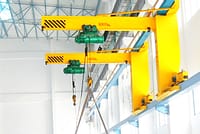
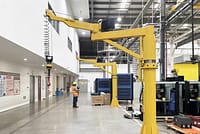
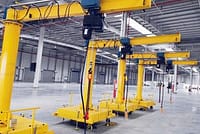
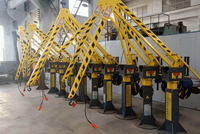
For overhead and gantry cranes serving across harsh environments—from workshops, yards and coastal ports to chemical, metallurgical and underwater sites—matching Crane Coating Types to the operating conditions is critical. Prolonged exposure to sunlight, rain, salt spray, acids, alkalis and damp dust triggers steel rust and coating failure, threatening structural integrity, safety and service life.
As the key anti-corrosion solution, surface coating blocks corrosive substances via physical and electrochemical protection. It improves weather and chemical resistance, enhances appearance and cuts maintenance costs throughout crane manufacturing, installation and service.
This article details the composition of crane coatings—including primer, intermediate coat, and topcoat—and explains the properties of five mainstream coating types such as alkyd, epoxy, and polyurethane paints. It also provides coating selection guidance for different corrosive environments, discusses coating compatibility, and offers professional references for material selection and construction.
Composition of Overhead and Gantry Crane Coatings
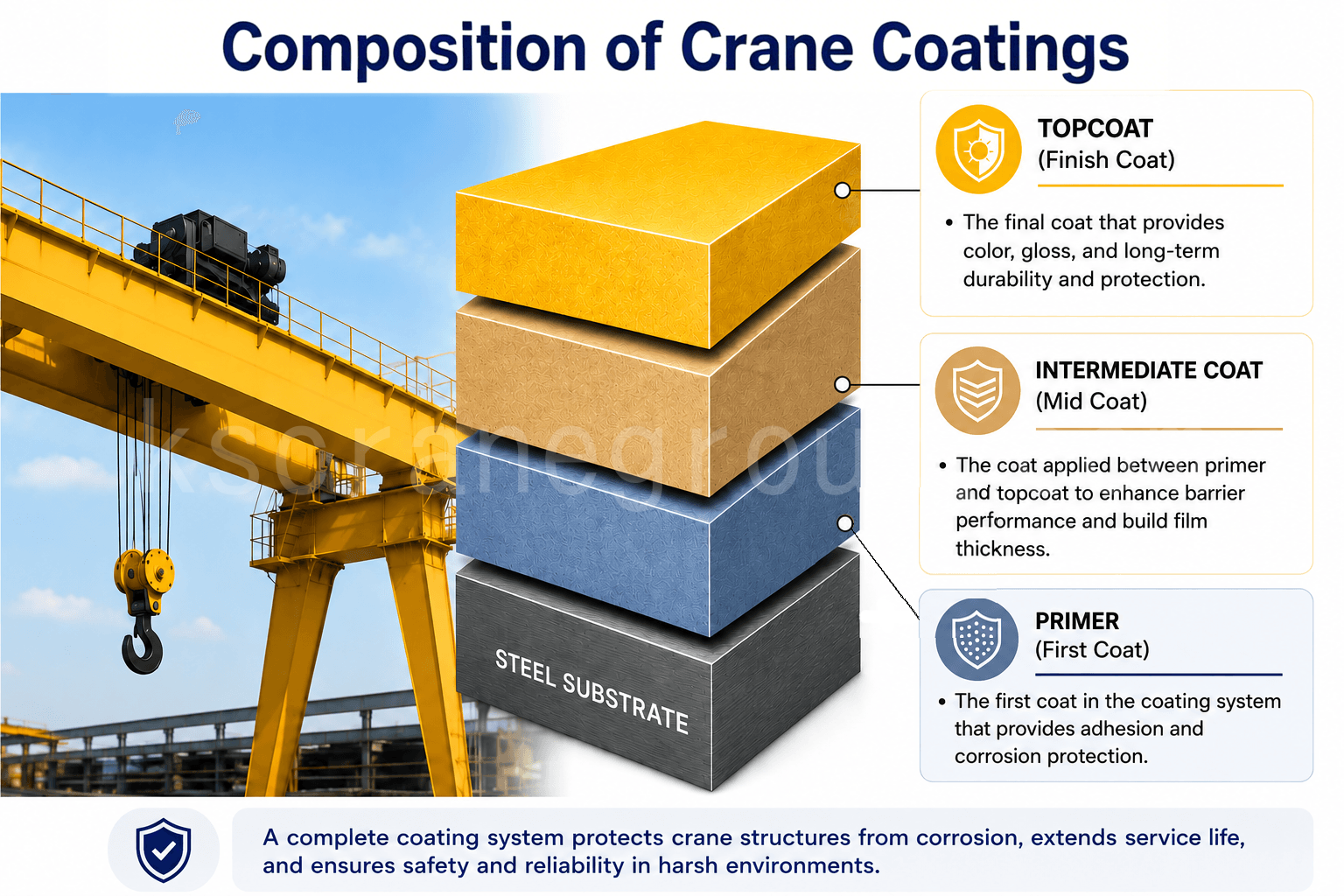
Anti-corrosion coating for overhead and gantry cranes consists of three layers: primer, intermediate coat and topcoat, each with distinct functions. The primer adheres directly to steel surfaces to boost adhesion and prevent rust. Zinc-rich primers also deliver cathodic protection, serving as the base of the whole system. The intermediate coat sits between primer and topcoat. It increases total film thickness, strengthens barrier performance and improves inter-coat adhesion, acting as a key layer for heavy-duty anti-corrosion. As the outermost layer, the topcoat withstands sunlight, rain, salt spray and industrial atmosphere. It provides weather resistance, UV protection, color & gloss retention, as well as decorative effects. Combined together, these three layers form a complete overhead and gantry crane coating system.
Main Coating Material Types
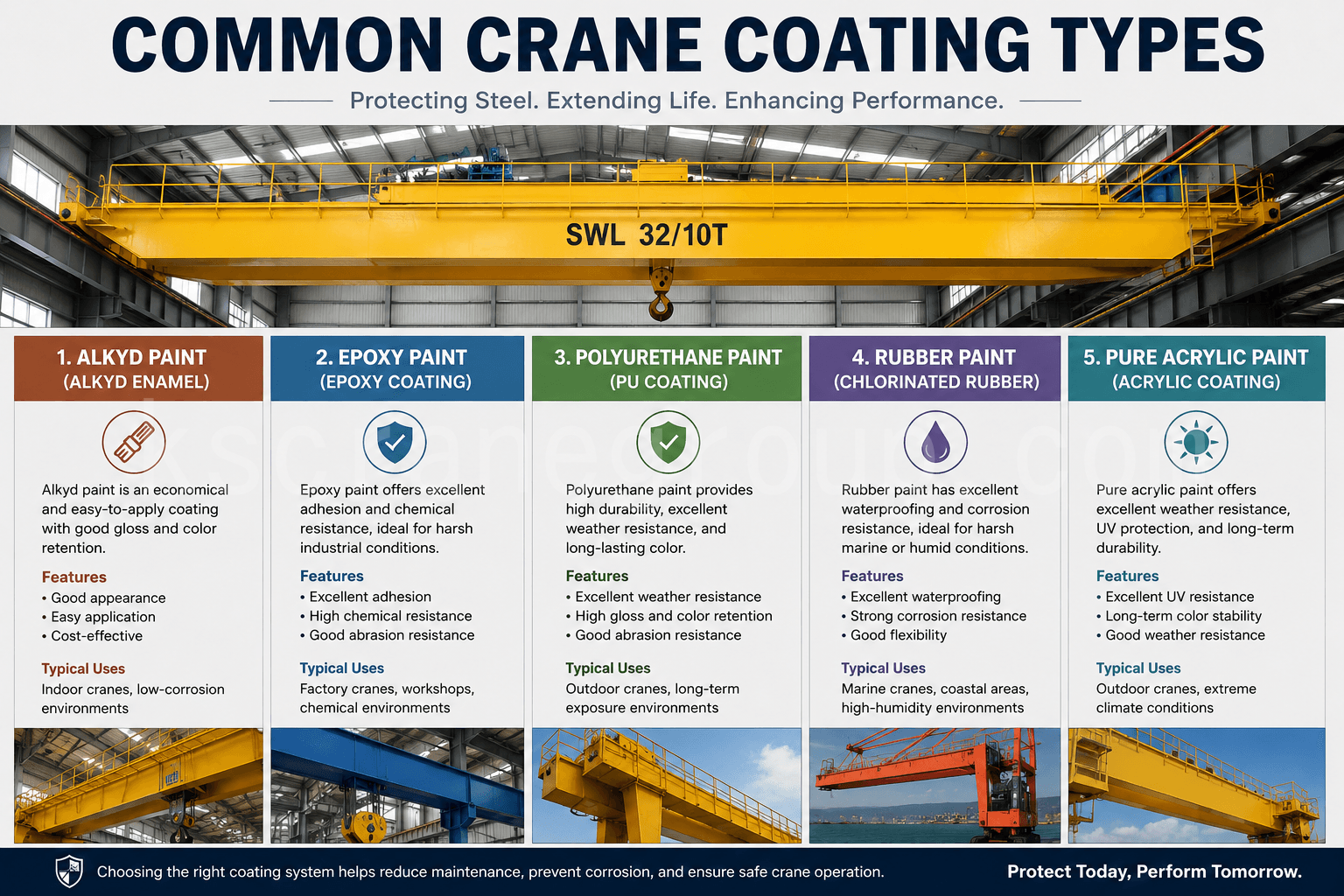
Industrial paints for crane coatings are generally classified by their main film-forming resins. The widely adopted coating systems in the crane industry include alkyd, epoxy, polyurethane, acrylic and rubber-based coatings. Each resin system has distinct features: some stand out for cost efficiency and easy application, while others deliver excellent heavy corrosion resistance, salt spray resistance and long-term outdoor weatherability.
Alkyd Coating
Alkyd coating is one of the most widely adopted paint systems for traditional industrial equipment. Taking alkyd resin as the main film-forming material, it features easy application, low cost and good decorative performance. It is extensively used on early overhead cranes, workshop equipment and general steel structures. Common products of alkyd coating system include red iron oxide alkyd primer and alkyd enamel.
Core Advantages:
Low cost and high cost-effectiveness;
One-component product with simple construction process;
Applicable for anti-corrosion both indoors and outdoors, with an outdoor weather resistance life of 1 to 2 years.
Limitations: Short service life, low outdoor weather resistance and frequent recoating cycles.
Typical Application Scenarios: Ordinary indoor working conditions, factory areas with low corrosion, general workshop equipment, and facilities with low requirements for anti-corrosion durability.
Epoxy Coatings
Epoxy coatings are a core component of modern industrial heavy-duty anti-corrosion systems, featuring excellent adhesion and superior anti-corrosion performance. Common products include zinc-rich epoxy primer, zinc-phosphate epoxy primer and micaceous iron oxide epoxy intermediate coat.
Core Advantages:
Strong adhesion
Excellent anti-corrosion performance
Good abrasion resistance
Great resistance to alkaline corrosion
Better weather resistance than alkyd coatings
القيود: Weak UV resistance, and the coating tends to chalk under prolonged outdoor sunlight exposure; it also has strict requirements for construction environment and surface treatment.
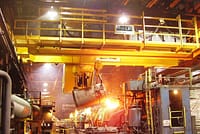
Typical Application Scenarios: Heavy-corrosion working conditions, large outdoor gantry cranes, chemical environments, port equipment and metallurgical cranes.
Polyurethane Coatings
Polyurethane coatings are one of the most common coating systems for industrial heavy-duty anti-corrosion. Using polyurethane resin as the main film-forming material, they boast excellent comprehensive protection performance and are especially suitable for long-term outdoor exposure. Acrylic polyurethane coatings are the representative products of this category.
Core Advantages:
Great anti-corrosion and weather resistance
Mild surface gloss, excellent gloss and color retention with good appearance
Fine abrasion resistance
القيود: The cost is 3 to 4 times higher than alkyd coatings, and it has strict requirements for construction environments.
Typical Application Scenarios: Outdoor areas with moderate to high corrosion, port and coastal facilities, and high-end industrial equipment.
Chlorinated Rubber Coating
Chlorinated rubber coatings are industrial protective paints with natural rubber, chlorinated rubber or synthetic rubber resins as the main film-forming materials. They feature good water resistance, flexibility and decent chemical corrosion resistance. Chlorinated rubber paint is the representative product of this coating category.
Core Advantages:
Fast drying speed
Reliable water resistance, anti-corrosion performance and weather resistance
Good adhesion to steel structures
Limitations: Inferior environmental performance, complicated application and strict construction requirements.
سيناريوهات التطبيق: Coastal areas and acidic environments. It is widely applied to steel structures of industrial facilities, port equipment and devices in humid conditions, as well as certain anti-slip and waterproof scenarios.
Pure Acrylic Coatings
Pure acrylic coatings adopt acrylic resin as the main film-forming material. They offer good weather resistance and color retention, and are widely applied to construction machinery, steel structures and various eco-friendly industrial coatings. Acrylic enamel is the representative product of pure acrylic coating systems.
Core Advantages:
Excellent gloss and color retention with superior decorative effect
Fast drying speed and high construction efficiency
Good weather resistance
القيود: High price, low cost performance and poor stability under high temperature.
سيناريوهات التطبيق: Scenarios with high requirements for decoration, environments with mild to moderate corrosion, and eco-friendly water-based industrial coating projects.
Recommendations by Coating Layers(In accordance with JB/T 5946-2018)
Primer: Red iron oxide alkyd primer, red iron oxide epoxy ester primer, zinc-rich epoxy primer, zinc silicate anti-rust paint, zinc phosphate primer, etc.
Intermediate Coat: Micaceous iron oxide epoxy paint, epoxy intermediate coat, zinc phosphate primer, etc.
Oil-resistant Coatings: Perchlorovinyl fuel tank paint, epoxy oil-resistant paint, polyurethane oil-resistant paint, interior nitrocellulose enamel, etc.
High-temperature Resistant Coatings: Inorganic zinc silicate primer, silicone heat-resistant paint, alkyd aluminium paint, barium borate paint in various colours, etc.
Moisture-resistant Coatings: Chlorinated rubber paint, tar epoxy asphalt anti-rust paint, etc.
Selection Guide: How to Choose the Right Coating System for Overhead and Gantry Cranes
Coating selection for overhead and gantry cranes shall be comprehensively evaluated mainly based on the corrosion class of the operating environment, required service life and long-term outdoor exposure conditions. Requirements for anti-rust performance of primers, barrier properties of intermediate coats and weather resistance of topcoats vary greatly under different working conditions. The design of heavy-duty anti-corrosion coating systems for such cranes generally follows the principle of rust prevention for the base layer, thickness enhancement for the intermediate layer and weather resistance for the top layer. For equipment serving outdoors for a long time or exposed to coastal salt spray and industrial corrosion environments, key factors including total dry film thickness (DFT), inter-coat compatibility and surface treatment quality should also be fully considered. Therefore, coating selection for overhead and gantry cranes is not merely picking a single type of paint, but a comprehensive matching process of a complete coating combination.
How to Match Crane Coating Systems to Corrosion Environments
The core premise for coating selection of overhead and gantry cranes is to match the corrosion class of actual operating environments. This table ranks corrosive environments from low to high, and provides standardized coating recommendations, coating structures, dry film thickness and coating type solutions for corresponding working conditions, helping you quickly confirm the applicable basic coating scheme.
Corrosion Category
Environmental Characteristics
Primer Requirements
Intermediate / Topcoat Requirements
Coating Features
Total Dry Film Thickness Range (NDFT)
C2 (Low)
Low-pollution atmosphere, e.g. rural areas, small towns
General anti-rust primer or zinc-rich primer; cost-effectiveness is the priority
Alkyd and acrylic are preferred. Optional: chlorinated rubber (CR), polyvinyl chloride (PVC), epoxy (EP), polyurethane (PUR)
Simple system, usually 1-2 coats of primer + 0-2 coats of topcoat, even single-layer system
60-160 μm
C3 (Medium)
Moderately polluted urban/industrial atmosphere, medium humidity
More complex system, increased number of coating layers, using high-performance epoxy or polyurethane topcoat
160-280 μm
C5-I (Very High, Industrial)
Highly corrosive industrial environments, e.g. chemical plants, metallurgical plants
Zinc-rich primer or high-temperature epoxy primer is strongly recommended
Almost exclusively epoxy (EP), polyurethane (PUR), or acrylic (AY)
Heavy and complex system, large number of layers (more than 3-4 coats), using epoxy and aliphatic polyurethane with strong chemical resistance
240-500 μm
C5-M (Very High, Marine)
High-salinity, high-humidity marine environments
Zinc-rich primer or high-performance epoxy combination must be used
Limited to epoxy (EP), polyurethane (PUR), epoxy combination (EPC)
Extremely heavy system, large number of layers, usually using epoxy glass flake (EPGF) or epoxy combination (EPC), with strict adhesion inspection required
240-800 μm
Im (Immersion)
Fresh water, seawater or soil (cathodic protection required or not)
Zinc-rich primer or epoxy primer resistant to immersion environments must be used
Extremely high film thickness, very heavy system, usually requires epoxy glass flake or ultra-high film thickness epoxy, and weather-resistant system is not recommended
360-800 μm and above
Coating Compatibility Is Critical to Long-Term Performance
After confirming the basic coating system, inter-coat compatibility between the primer and subsequent coats is critical to prevent premature coating failure. This table lists the compatibility of different shop primers with mainstream coating systems, allowing you to complete matching verification prior to construction and eliminate issues like inter-coat peeling and blistering from the very beginning.
Primer type
Primer – Anticorrosive pigment
Alkyd
CR
Vinyl/PVC
Acrylic
Epoxyª
Polyurethane
Zinc silicate
Alkyd
Miscellaneous
√
NC
NC
√
NC
NC
NC
Poly (vinyl butyral)
Miscellaneous
√
√
√
√
NC
NC
NC
Epoxy
Miscellaneous
√
√
√
√
√
√
NC
Epoxy
Zinc dust
NC
√
√
√
√
√
NC
Silicate
Zinc dust
NC
√
√
√
√
√
√ᵇ
Acrylic (water-borne)
Miscellaneous
NC
√
NC
√
NC
√
NC
NOTE: Paint formulations vary. Checking compatibility with the paint manufacturer is recommended. √ = In principle compatible NC = In principle not compatible ª Including epoxy combinations, e.g. hydrocarbon resins. ᵇ Sweep-blasting is required.
Final Coating Selection Guidelines
Operating environment shall be the top priority when selecting coatings for overhead and gantry cranes. Requirements for anti-corrosion performance, weather resistance and coating service life vary significantly across different corrosive environments. Generally speaking:
Cost-effective alkyd coatings are suitable for indoor areas with low corrosion;
A conventional anti-corrosion combination of epoxy primer plus polyurethane topcoat is widely used for regular outdoor working conditions;
For heavy-corrosion environments such as coastal salt spray areas, ports, and chemical sites with acid and alkali exposure, adopt heavy-duty anti-corrosion systems consisting of zinc-rich primer, high-build epoxy coating and high weather-resistant topcoat.
The design of crane coating systems follows the principle of rust prevention for the base layer, thickness enhancement for the intermediate layer and weather resistance for the top layer. Coating application for overhead and gantry cranes is not a simple spray of single paint, but a systematic anti-corrosion project combining primer, intermediate coat and topcoat. Each layer performs specific functions including rust inhibition, corrosion barrier, weather protection and decoration. Reasonable matching of all layers ensures long-term and reliable protection.
With over 20 years of expertise in manufacturing overhead and gantry cranes, رافعة كوانغشان provides one-stop customized solutions covering coating selection, coating system design and construction guidance based on actual working conditions, corrosion classes and budget requirements. We help clients build crane protection systems with better cost performance and longer service life.
كريستال
خبير تصنيع المعدات الأصلية للرافعات
مع 8 سنوات من الخبرة في تخصيص معدات الرفع، ساعدت أكثر من 10,000 عميل في الإجابة على أسئلتهم واهتماماتهم قبل البيع، إذا كانت لديك أي احتياجات ذات صلة، فلا تتردد في الاتصال بي!