-
THIẾT BỊ
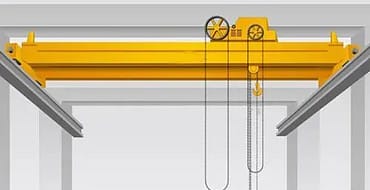
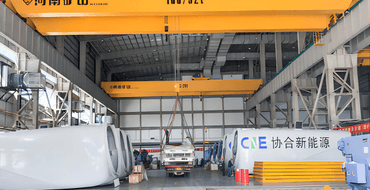
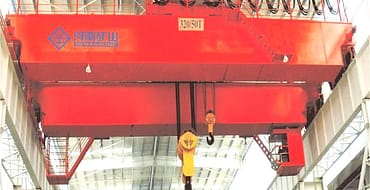
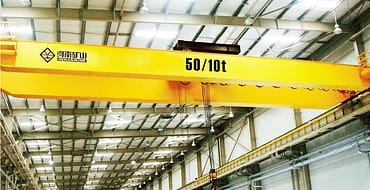
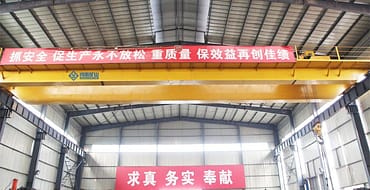
- Cầu Trục
-
Cổng Trục
-
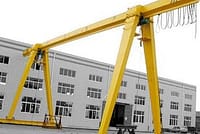
Cổng Trục Dầm Đơn
-
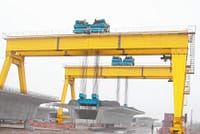
Cổng Trục Dầm Đôi
-
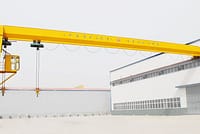
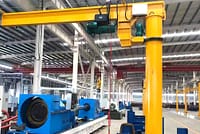
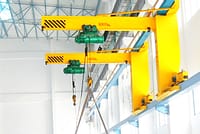
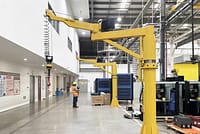
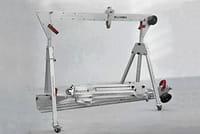
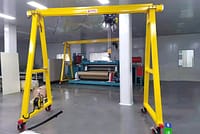
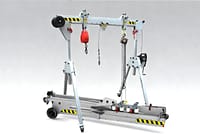
Cần cẩu bán giàn cho việc xử lý vật liệu tiết kiệm không gian và linh hoạt.
-
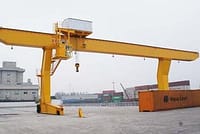
Cần cẩu giàn một dầm kiểu L dùng cho việc bốc dỡ hàng hóa dài ngoài trời.
-
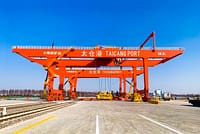
Cần cẩu giàn xử lý container
-
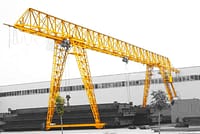
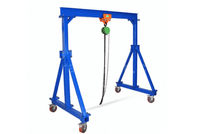
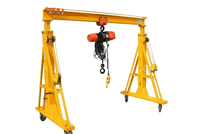
Cẩu giàn dầm đơn MH
-
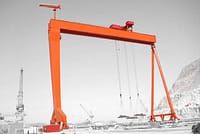
Cần cẩu Goliath Gantry cho xưởng đóng tàu và đóng tàu
-
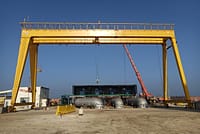
Cần cẩu giàn dầm đôi tiêu chuẩn FEM
-
- Cầu Trục Xoay
- Cẩu trục
- Cần cẩu trạm làm việc
- Cẩu trục di động
-
cần cẩu đặc biệt
-
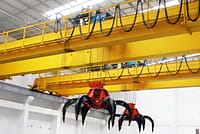
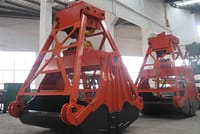
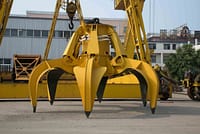
Cần cẩu lấy rác
-
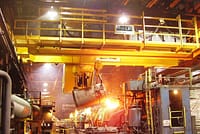
Cầu Trục Luyện Kim
-
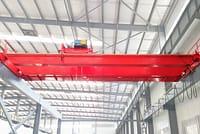
Cần trục chống cháy nổ
-
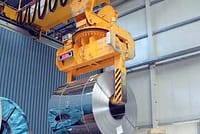
Cần cẩu lưỡi
-
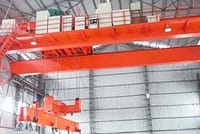
Cần cẩu trên cao với dầm vận chuyển
-
Cần cẩu điện từ
-
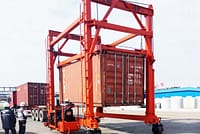
Xe nâng thủy lực chạy dầu diesel: Giải pháp vận hành linh hoạt và giá cả phải chăng cho việc xử lý container
-
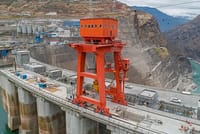
Cẩu trục tràn trên: Giải pháp đáng tin cậy cho việc nâng hạ cửa đập và vận hành nhà máy thủy điện
-
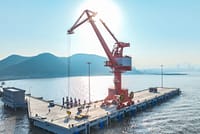
Cẩu cảng: Giải pháp mạnh mẽ và thông minh cho việc xử lý cảng hiệu quả
-
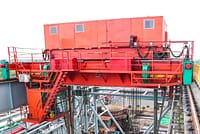
Cần cẩu Coke Pot cho CDQ: Xử lý Coke nóng đỏ hạng nặng đặc biệt
-

Cần cẩu chuyên dụng cứu hộ khẩn cấp dùng cho mô phỏng cứu hộ trên mặt nước: Được thiết kế để huấn luyện cứu hộ
-
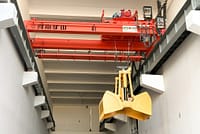
Cần cẩu gầu xúc thông minh trên cao: Giải pháp xử lý vật liệu rời mạnh mẽ, chính xác và không người lái
-
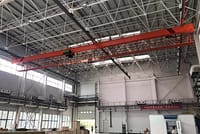
Cần cẩu treo đa điểm tùy chỉnh cho các công trình công nghiệp có khẩu độ lớn và chịu tải trọng nhạy cảm.
-
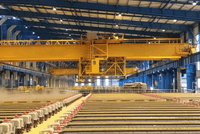
Cần cẩu điện phân đồng: Chuyên dụng cho việc bốc xếp và vận chuyển tấm catốt hiệu quả.
-
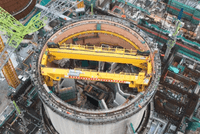
Cần cẩu cực hạt nhân: Máy nâng đa chức năng dành cho nhà máy điện hạt nhân.
-
-
Cần trục công nghiệp
-
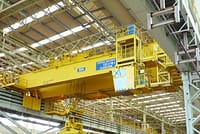
Cần trục công nghiệp
-
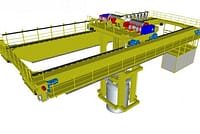
Cần cẩu
-
Cần trục sàn
-
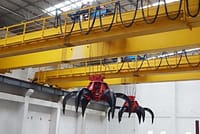
Cần trục phế liệu
-
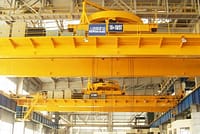
Cần trục phôi
-
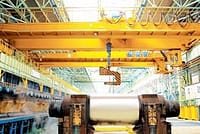
Cần trục xử lý cuộn, thanh và tấm
-
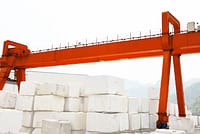
Xi măng và cần cẩu đúc sẵn
-
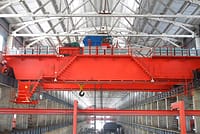
Cần cẩu trạm điện
-
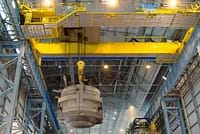
Cần cẩu
-
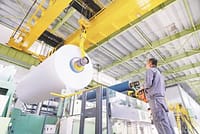
Cần cẩu công nghiệp giấy
-
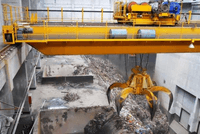
Cần cẩu chuyển đổi chất thải thành năng lượng và cần cẩu sinh khối
-
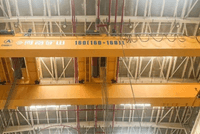
Cần trục cầu trục được thiết kế riêng cho ngành hàng không vũ trụ: Độ chính xác cao, hiệu quả, an toàn và độ tin cậy
-
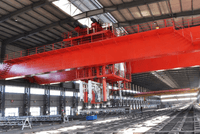
Cần trục đa năng nung anode: Linh hoạt, chịu nhiệt độ cao và điều khiển thông minh, thiết bị không thể thiếu trong ngành công nghiệp nhôm điện phân
-
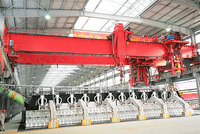
Cần trục đa năng cho nhôm điện phân: Đáp ứng mọi quy trình điện phân nhôm, tăng hiệu suất nhà máy
-
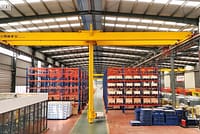
Cần cẩu xếp dỡ hàng hóa trong kho cho hệ thống AS/RS: Hiệu quả cao, đáng tin cậy, lưu trữ hoàn toàn tự động.
-
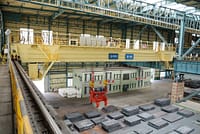
Cần cẩu trục nâng phôi thép: Cần cẩu chuyên dụng cho ngành luyện kim, dùng trong các dây chuyền đúc liên tục và bãi chứa phôi thép.
-
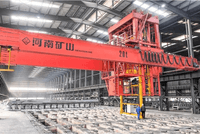
Cần cẩu xếp chồng khối carbon anode: Xếp chồng 6 lớp, giải pháp nâng hạ giúp vận chuyển hiệu quả các nhà máy sản xuất carbon.
-
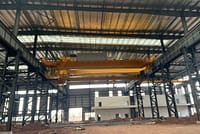
Cần cẩu làm nguội cho xử lý nhiệt: Giải pháp cần cẩu trên cao theo định hướng quy trình
-
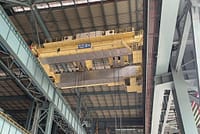
Cần cẩu trên cao an toàn và ổn định dùng để nạp phế liệu cho các hoạt động luyện kim.
-
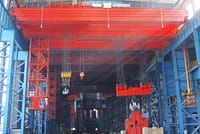
Cần cẩu trên cao dùng trong ngành rèn: Thiết bị nâng hạ đáng tin cậy cho các xưởng rèn công nghiệp hạng nặng.
-
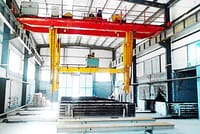
Cần cẩu nâng hạ khuôn mẫu cho dây chuyền sản xuất AAC: Giải pháp nâng hạ cố định đáng tin cậy được thiết kế chuyên dụng.
-
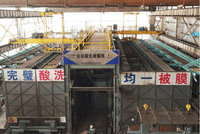
Cần cẩu trên cao dùng trong quá trình tẩy gỉ kim loại: Dành cho môi trường sương axit trong luyện kim loại màu
-
-
Xe đẩy tời & tời
-
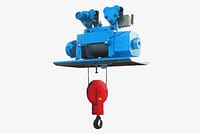
Đúc Palăng dây điện
-
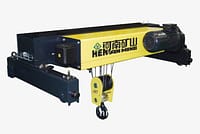
Palăng điện mẫu Châu Âu
-
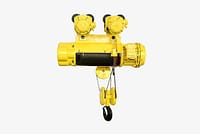
Palăng điện chống cháy nổ
-
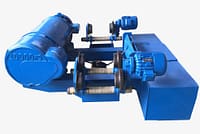
Palăng điện có khoảng không thấp
-
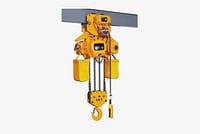
Palăng xích điện
-
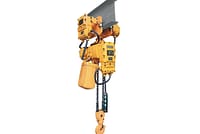
2 loại tời xích điện chống cháy nổ cho khu vực nguy hiểm: Bảo vệ khí và bụi
-
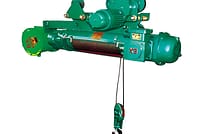
2 loại tời cáp điện chống cháy nổ cho an toàn công nghiệp: Giải pháp chống khí và bụi đáng tin cậy
-
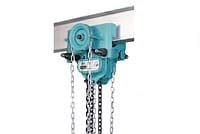
Palăng tay để nâng chính xác: Khám phá 3 loại đã được chứng minh để vận hành không cần điện
-
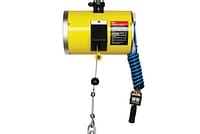
Pa lăng khí nén: 4 thiết kế chuyên dụng cho môi trường chính xác, an toàn và khắc nghiệt
-
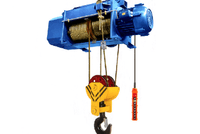
Máy nâng điện loại HC: Máy nâng cáp thép hạng nặng dùng cho việc nâng hạ hàng nặng trong nhà máy.
-
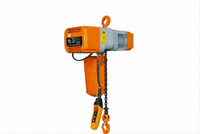
Máy tời điện một tốc độ cố định
-
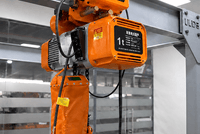
Máy tời điện một tốc độ gắn trên xe đẩy
-
-
Máy rải CRANE
-
Nam châm nâng điện từ cần cẩu
-
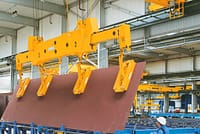
Nam châm điện nâng để quay và treo bên
-
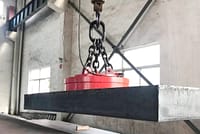
Nam châm điện nâng cho tấm dày
-
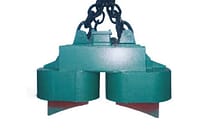
Nam châm điện chuyên dùng nâng tấm thép
-
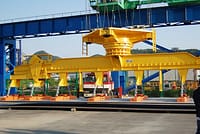
Nam châm điện nâng tấm thép
-
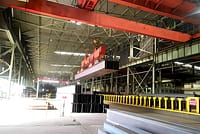
Nam châm điện nâng cho đường sắt hạng nặng và thép định hình
-
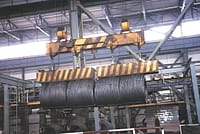
Nam châm điện nâng cho Wier tốc độ cao (Thanh cuộn)
-
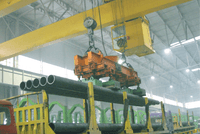
Nam châm điện nâng cho cốt thép và ống thép
-
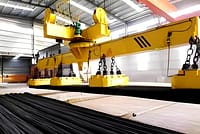
Nam châm điện nâng cho thép thanh và thép định hình
-
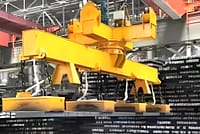
Nam châm điện nâng cho phôi thép, phôi dầm và tấm sàn
-
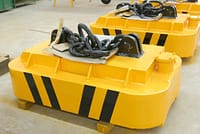
Nam châm điện nâng cho phế liệu thép
-
- Máy rải cần cẩu
- Móc Cẩu Cầu Trục
- Kẹp và kẹp nâng cần cẩu
-
Nam châm nâng điện từ cần cẩu
- PHỤ TÙNG CẨU
- Chuyển khoản

.png?w=200&h=134)