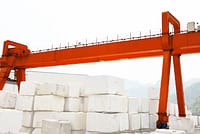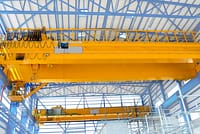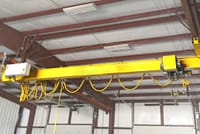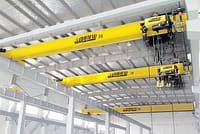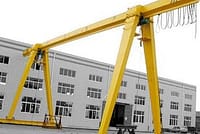
Cantilever Gantry Crane: An Engineering-Grade Solution to Space Constraints

Date: 09 Feb, 2026

Within the technical framework of gantry cranes, the cantilever is not a simple optional add-on, but an engineering solution to conflicts between structural design and spatial constraints.

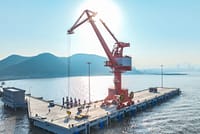
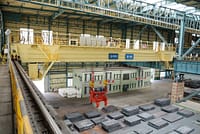
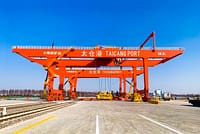
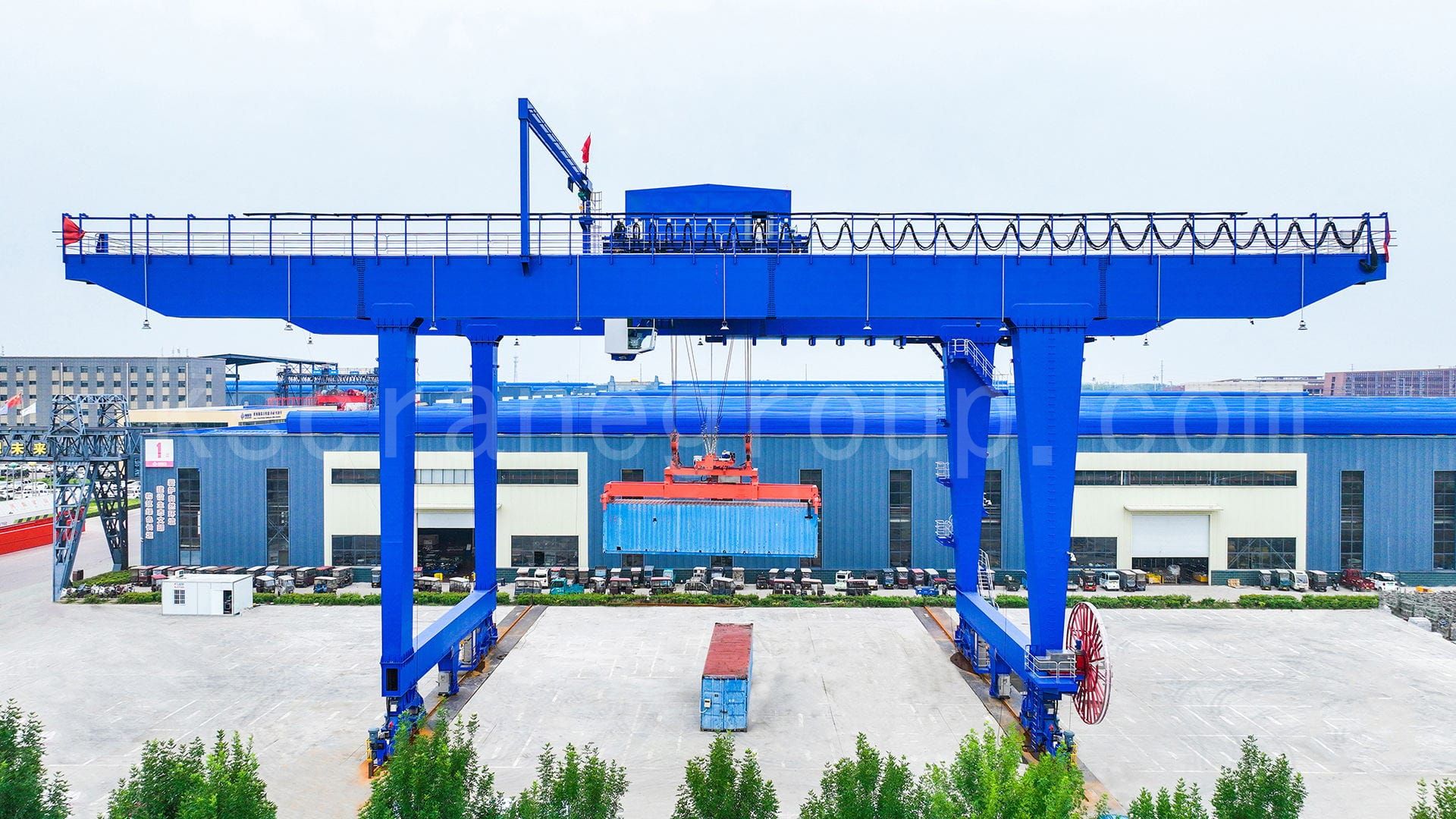
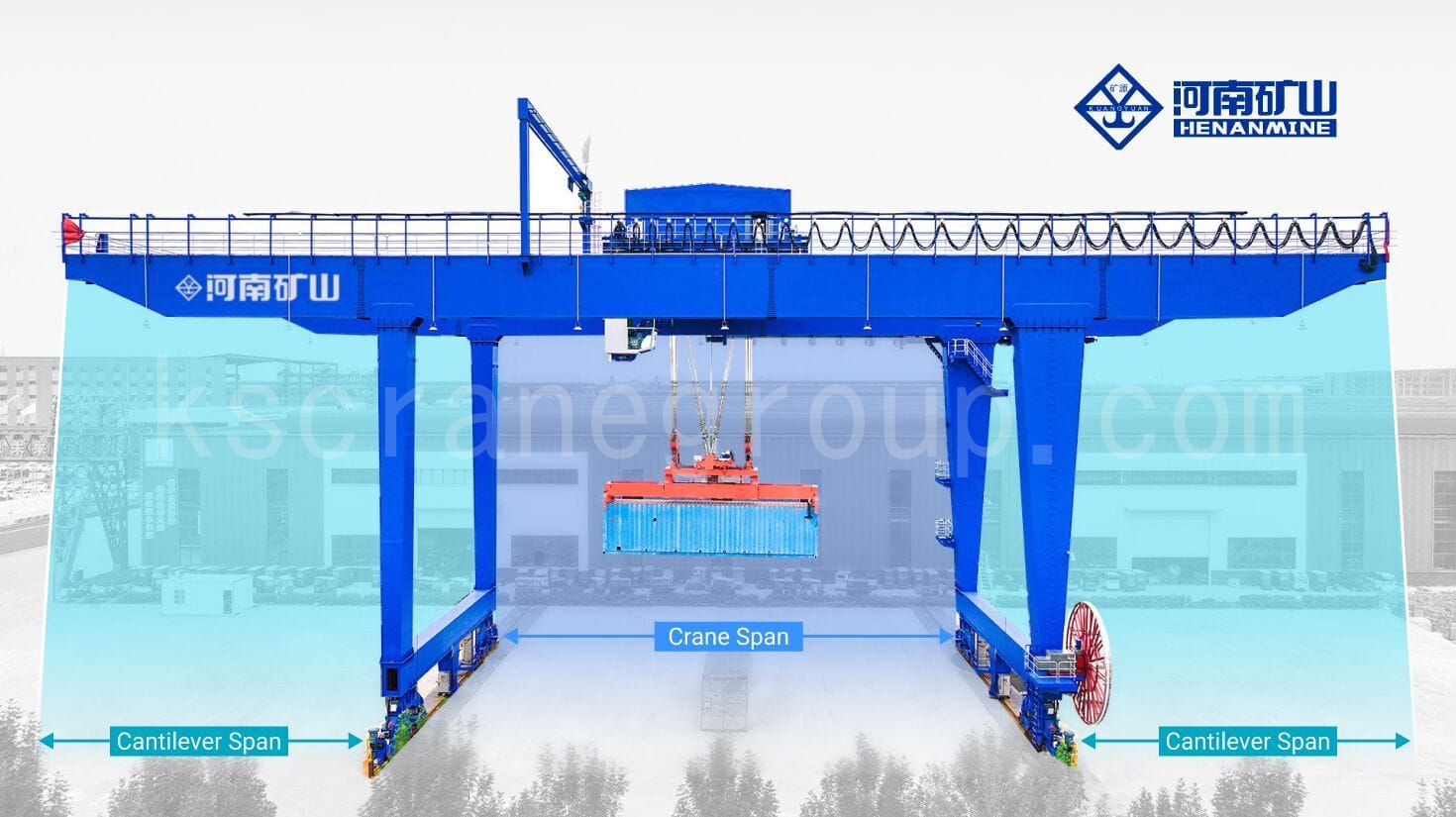
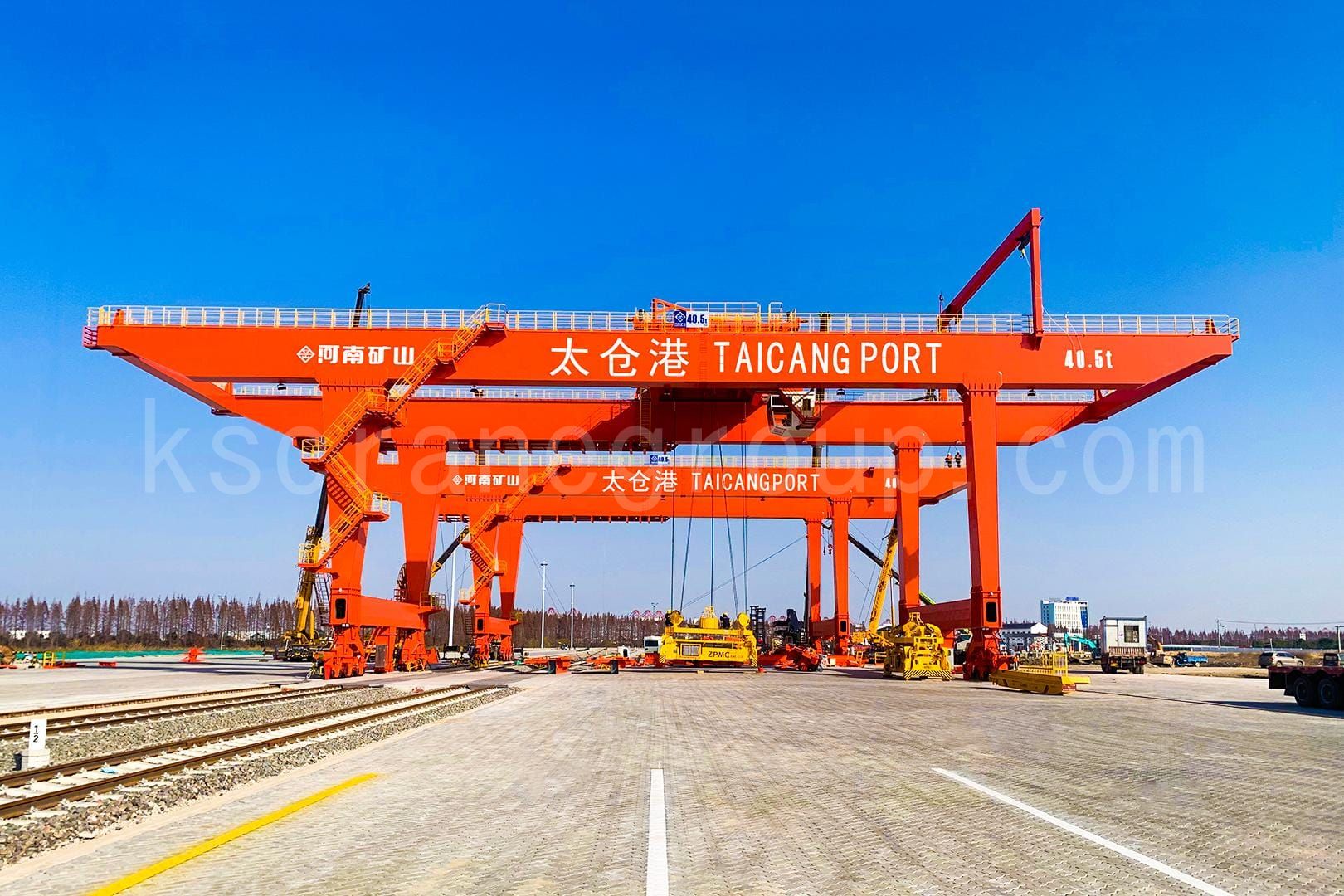
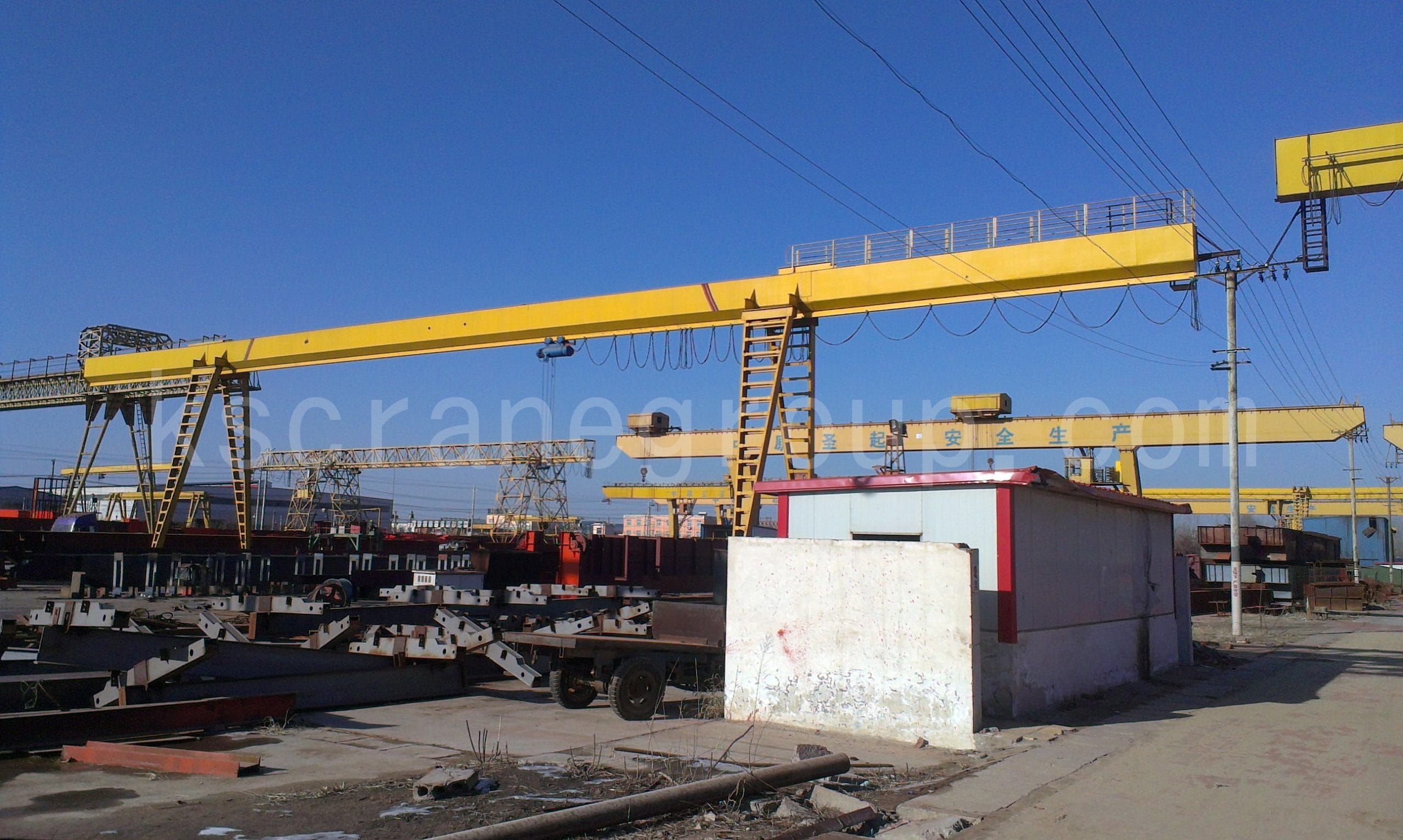
automated container gantry crane

From an engineering practice perspective, not all gantry cranes require a cantilever structure. The fundamental reason lies in the fact that different application scenarios impose fundamentally different spatial requirements:

  • The working range of a standard gantry crane is inherently limited to the main span between the two legs.
  • When all lifting operations are fully contained within the main span, a cantilever is not only unnecessary but may introduce structural redundancy.
  • Only when spatial constraints become the dominant challenge does the cantilever structure gain true engineering significance.

The need for a cantilever gantry crane essentially arises when conventional gantry cranes fail to resolve spatial limitations. This typically occurs when: the required working area extends beyond the main span, or fixed site boundaries—such as walls, permanent equipment, or yard edges—prevent further rail extension.

Based on industry search data and engineering consultation cases, such requirements are most common in sites with fixed layouts and dispersed working zones. In these scenarios, users are not seeking “more powerful” cranes, but structural solutions capable of adapting to spatial constraints.

Core conclusion: A cantilever is not a configuration upgrade—it is a structural response to spatial problems. Its purpose is not to increase lifting capacity or operating speed, but to extend the structure beyond the main span, enabling effective coverage of non-span working areas within limited space.

What Is a Cantilever Gantry Crane?

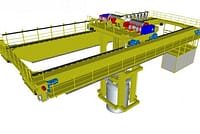
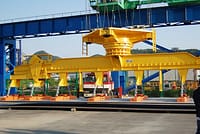
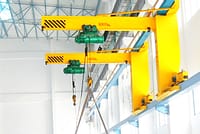
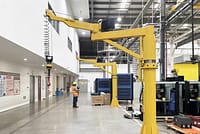
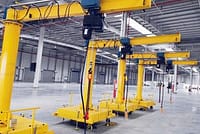
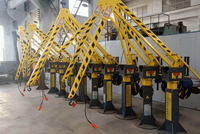
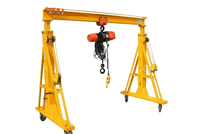
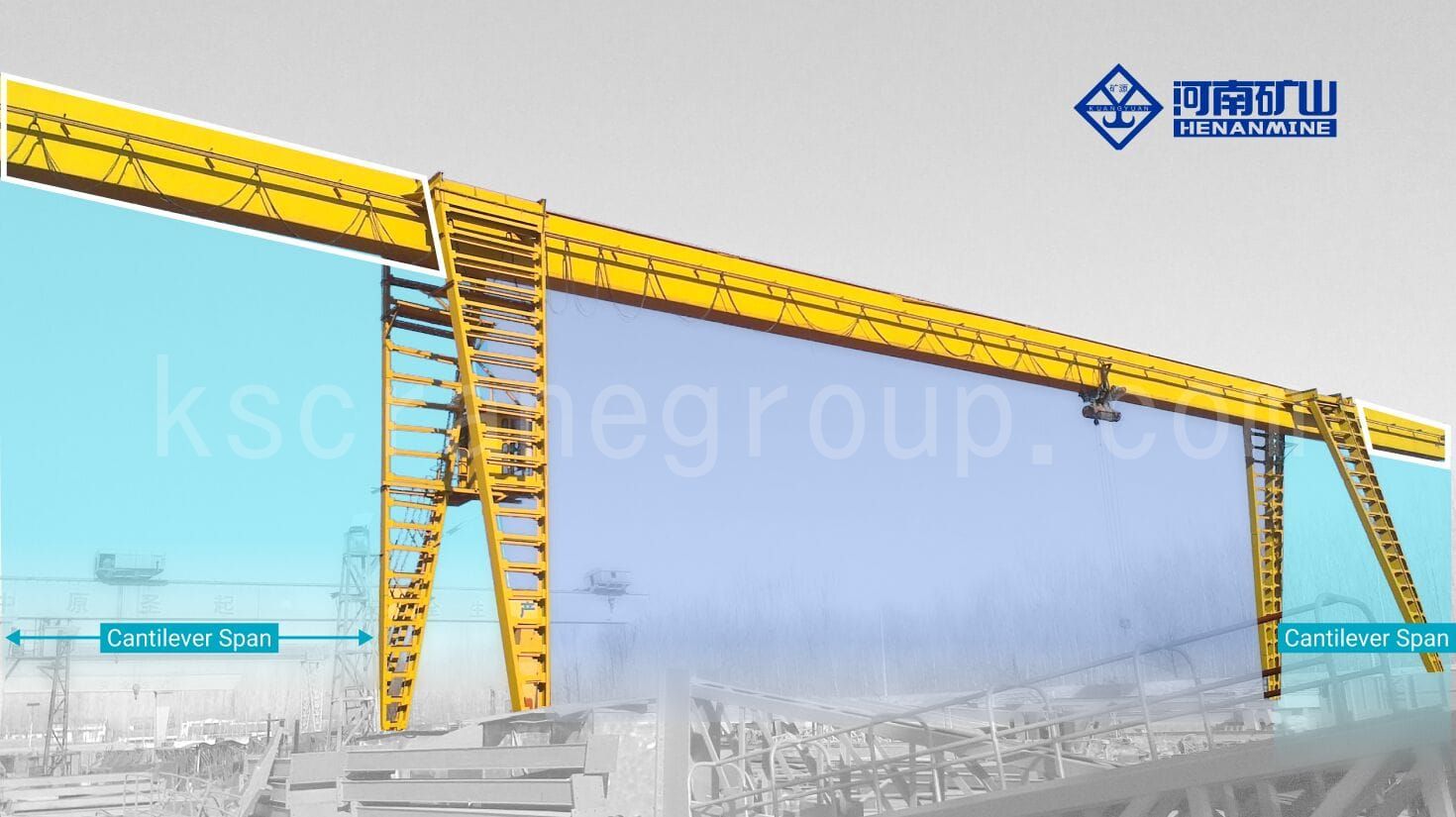
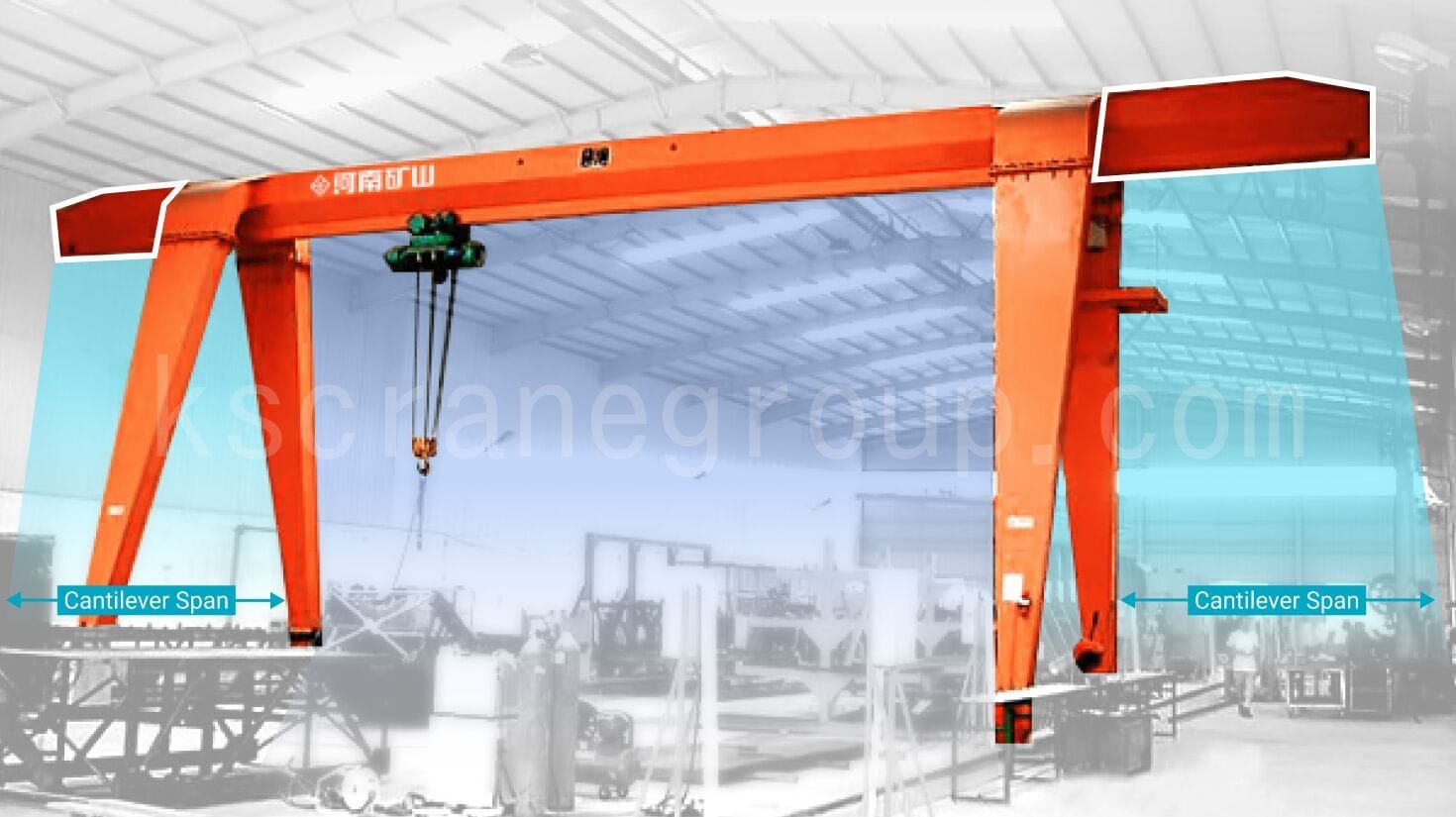
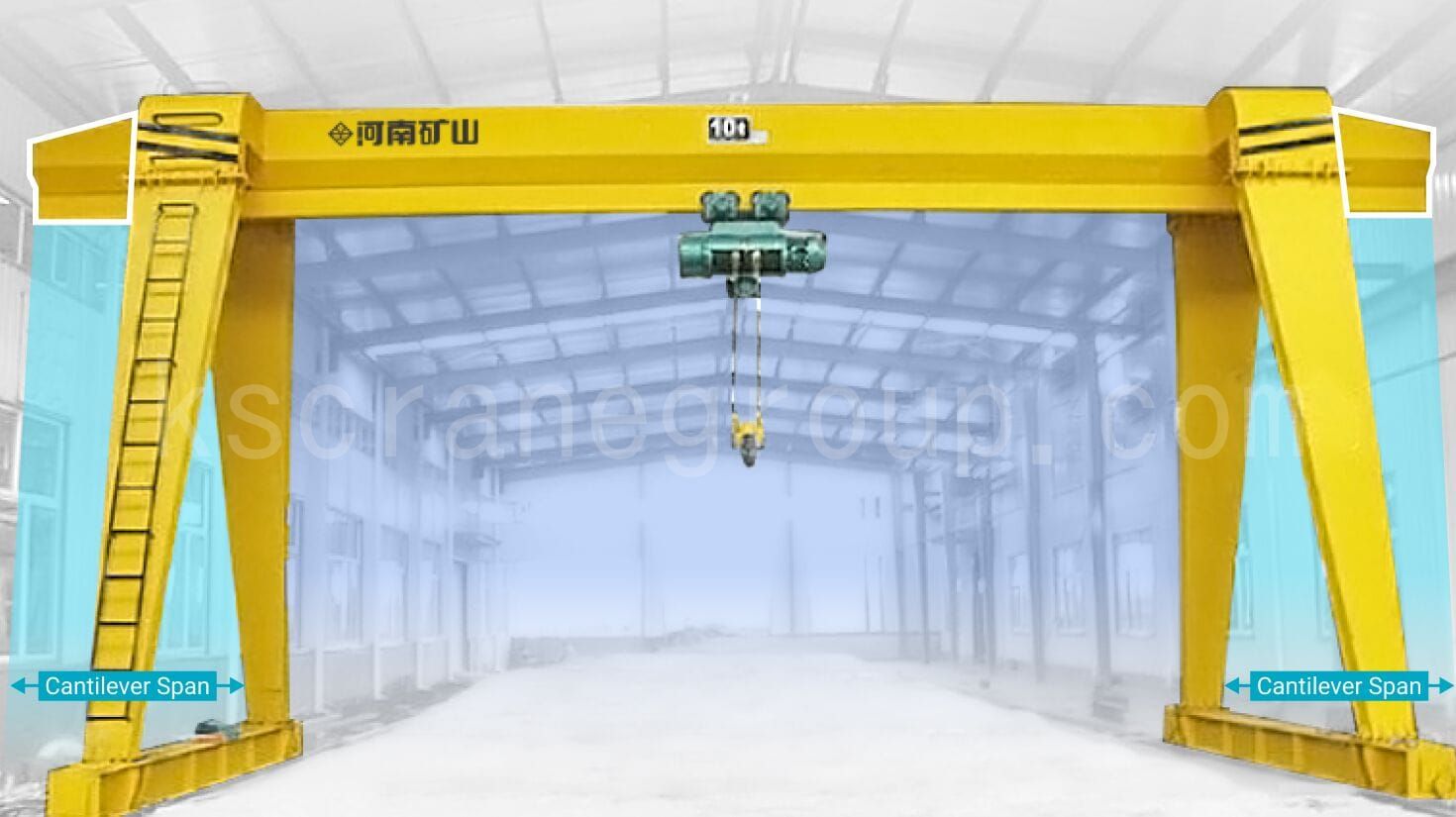
A cantilever gantry crane is a gantry crane in which the main girder extends beyond one or both legs, forming a cantilever section that allows the working range to exceed the main span.

The core design logic is workspace extension, not enhanced load capacity.

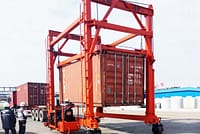
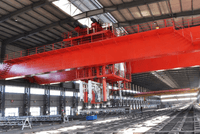
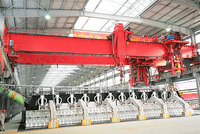
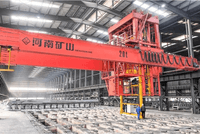
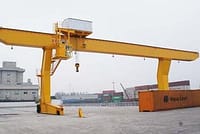
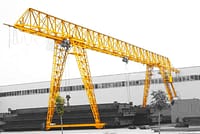
4cantilever gantry crane

Structurally, a “cantilever” means that the main girder must withstand additional overhanging forces. Since the cantilever section lacks leg support, all loads applied at the cantilever end are converted into bending moments and torsional forces acting on the main girder. This requires higher standards in material selection and cross-sectional design to ensure sufficient bending resistance.

In addition to the standard components of a gantry crane—main girder, legs, traveling mechanism, and hoisting system—a cantilever gantry crane must also be equipped with additional safety components at the cantilever end, such as limit switches and buffers, to ensure stability during overhanging operations.

Key Differences from Standard Gantry Cranes

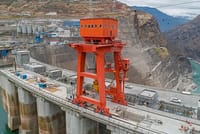
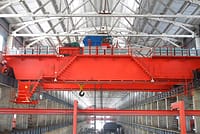
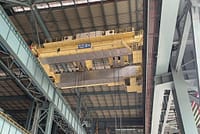
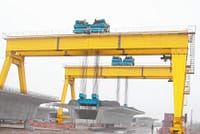
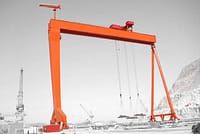
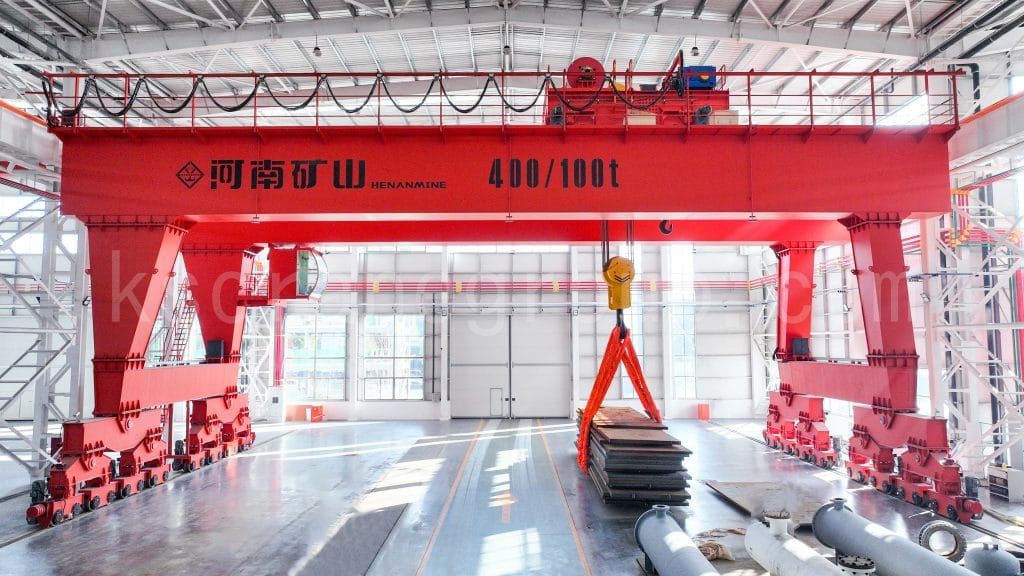
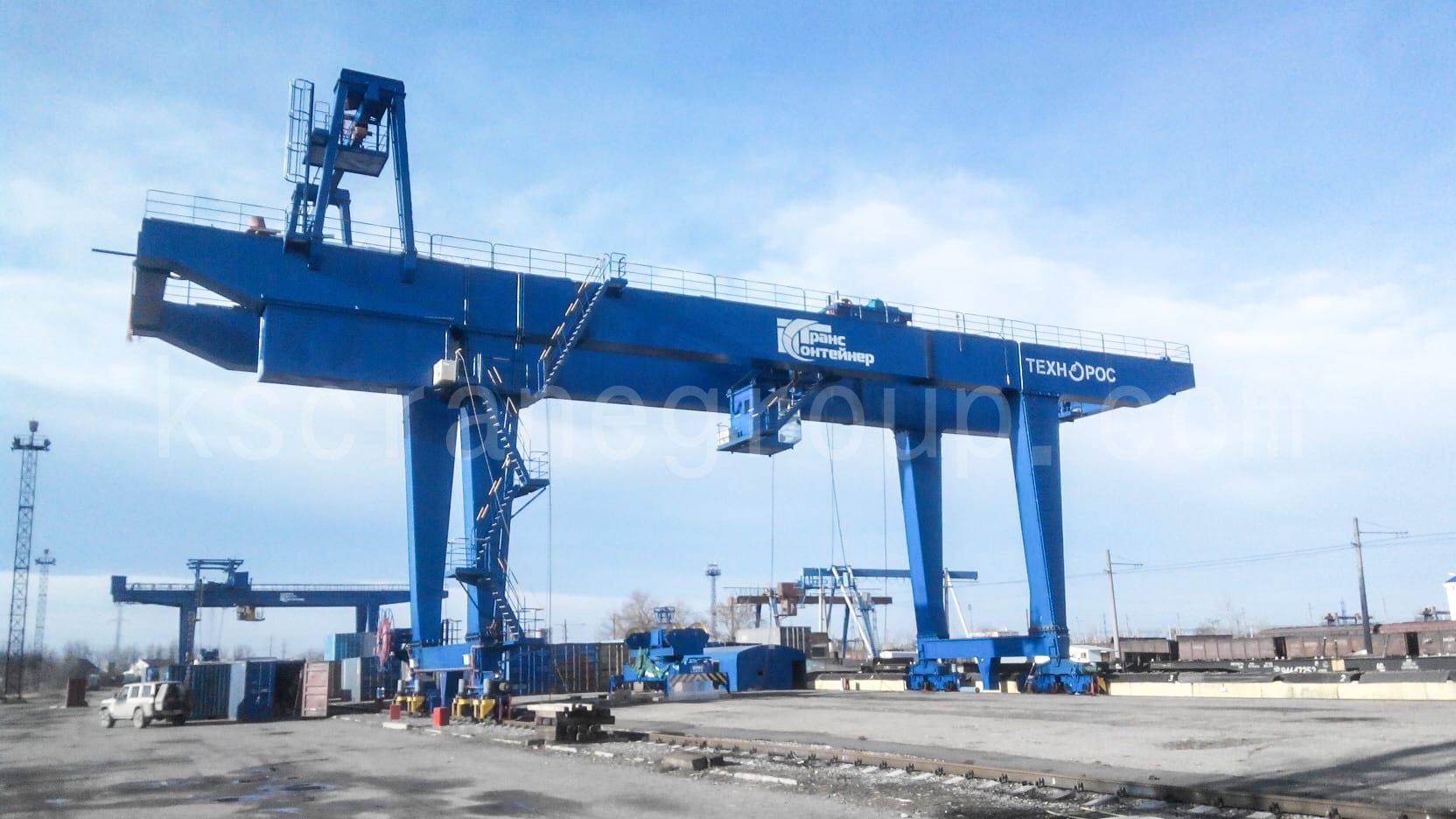
400t gantry crane
DimensionStandard Gantry CraneCantilever Gantry Crane
Core FunctionMaterial handlingMaterial handling
Structural LoadVertical load within main spanMain span + cantilever bending and torsion
Working RangeLimited by leg spacingExtends beyond leg boundaries
Structural ComplexityRelatively simpleSignificantly more complex

Although both serve the same function, their structural logic differs fundamentally.

Three Structural Types of Cantilever Gantry Cranes

The structural differences among cantilever gantry cranes stem from site boundary conditions and working range requirements. Selection should focus on structural compatibility with the site, rather than pursuing “all-in-one” functionality.

1. Single Cantilever: Designed for Edge Operations

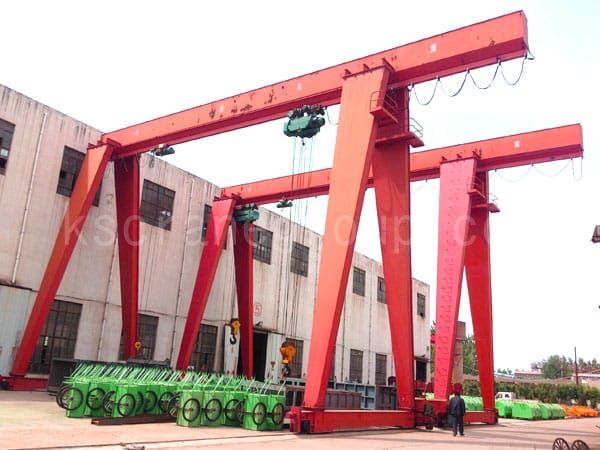
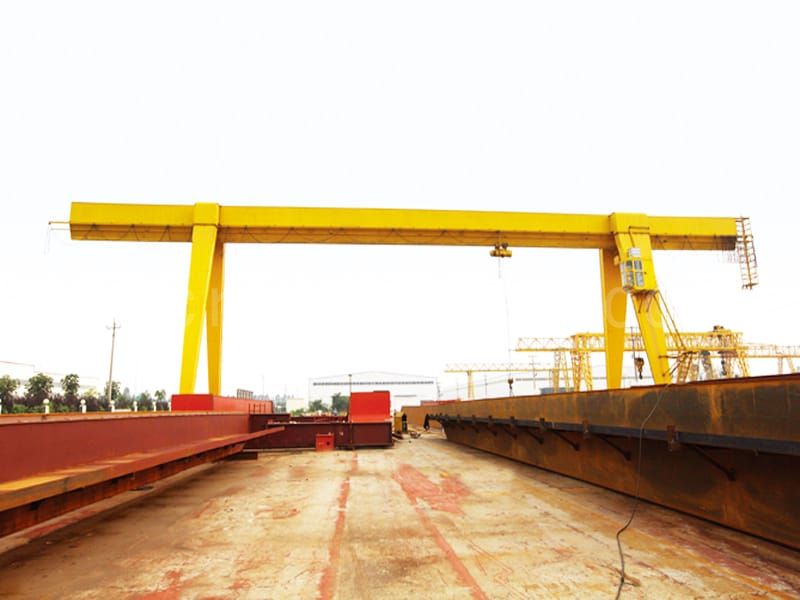
A single-cantilever gantry crane extends the main girder on one side only, while the other side remains a conventional structure. This design precisely addresses single-side boundary constraints, such as workshops with one wall side or yards adjacent to roads or fixed facilities.

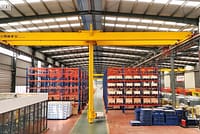
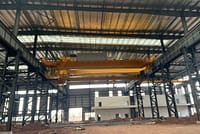
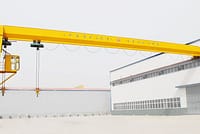
Single Cantilever gantry crane

Structural characteristics:

  • Cantilever on one side of the main girder
  • Conventional structure on the opposite side

Application logic:

  • Operations concentrated on one side of the main span
  • Clear single-side boundary constraints

Typical risk:

  • Potential blind zones in dual-side or dispersed operations

2. Double Cantilever: Coverage-Oriented, Not Efficiency-Oriented

A double-cantilever gantry crane features cantilever extensions on both ends of the main girder, allowing coverage beyond both sides of the main span.

It is critical to note that the value of a double cantilever lies in expanded coverage, not improved efficiency. Operating speed and hoisting speed are fundamentally similar to those of single-cantilever or standard gantry cranes. In some cases, increased structural complexity may even slightly reduce operating efficiency.

Structural characteristics:

  • Cantilevers on both ends of the main girder
  • Coverage on both sides of the main span

Key understanding:

  • Double cantilever ≠ higher efficiency
  • Value lies in coverage, not speed or capacity

Applicable scenarios:

  • Edge operations required on both sides
  • Rails cannot be extended in either direction
  • Large open yards and multi-zone operations

3. Customized Cantilever: Driven by Engineering Conditions

Customized cantilever gantry cranes are not standard models, but site-specific designs driven by special environmental conditions. Typical variants include explosion-proof, low-temperature, and mobile configurations.

The core logic is “environment defines structure,” not the reverse.

  • Explosion-proof cantilever gantry cranes are used in chemical and petrochemical environments with flammable or explosive media. Designs must meet explosion protection requirements, incorporating explosion-proof motors, sealed electrical components, and anti-static parts to prevent ignition risks.
  • Low-temperature cantilever cranes are designed for cold storage facilities or cold-region outdoor operations, using low-temperature-resistant steel, anti-freezing lubricants, and insulated electrical systems to prevent brittleness and component failure.

From Structural Understanding to Correct Selection: A Five-Step Engineering Logic

Selecting a cantilever gantry crane is fundamentally an engineering judgment, not a simple procurement decision. It requires systematic evaluation of structural characteristics, site conditions, and operational requirements.

Step 1: Correctly Define the “Load”

Load ≠ lifted weight.

A proper load assessment includes:

  • Material weight
  • Weight of lifting devices and rigging
  • Dynamic loads (impact, inertia)
For example, lifting 10 tons of material with a 1-ton lifting device and a dynamic load factor of 1.1 results in an actual load of: (10 + 1) × 1.1 = 12.1 tons.

Only accurate total load calculation ensures structural safety.

Step 2: Evaluate Site Conditions

The value of a cantilever lies in translating structural design into spatial adaptability, mainly addressing three issues:

1. Covering areas beyond the main span
In open yards or workshop edges, materials often extend beyond the main span. Cantilevers allow coverage without modifying rails or adding equipment.

1cantilever gantry crane

2. Eliminating blind zones near walls, equipment, or boundaries
Cantilevers extend operation beyond the legs, enabling boundary-adjacent lifting and maximizing space utilization.

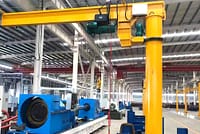
3cantilever gantry crane

3. Existing sites where rail extension is impossible
In retrofit projects, cantilevers provide the most cost-effective expansion without civil reconstruction.

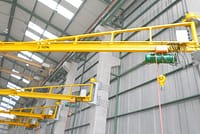
2cantilever gantry crane

All these solutions revolve around spatial adaptation, making site conditions the primary selection criterion.

Step 3: Determine Operating Radius

The operating radius is the distance from the farthest lifting point to the rail centerline:

  • Operating radius ≤ half of main span → no cantilever required
  • Operating radius > half of main span → cantilever required

Cantilever length must cover the farthest point with adequate safety clearance.

Step 4: Assess Ground Bearing Capacity and Wind Load

Cantilever structures alter wheel load distribution, increasing pressure on one side:

  • Ground bearing capacity should be ≥ 2.5 MPa; otherwise, concrete reinforcement is required.
  • For outdoor applications, wind load must be considered. Larger windward areas require anti-wind devices such as rail clamps and anchoring systems to prevent sliding or overturning.

Step 5: Environmental and Compliance Requirements

Environmental conditions (explosion-proof, low-temperature, etc.) must be clearly defined in advance. The design must comply with relevant standards, including:

  • China: GB/T 14406-2019
  • International reference: ASME B30.22, OSHA

Application of Cantilever Structures Across Industries

Dependence on cantilever structures varies by industry. In some scenarios, they are indispensable, while in others, they remain optional optimizations.

MH Single Girder Goliath Gantry Crane with Box Girder Design1

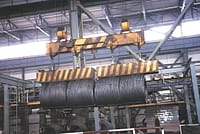
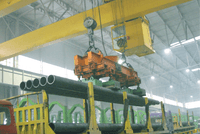
Material yards (steel, pipes, profiles): Cantilevers are often essential due to linear material layouts and frequent edge operations.

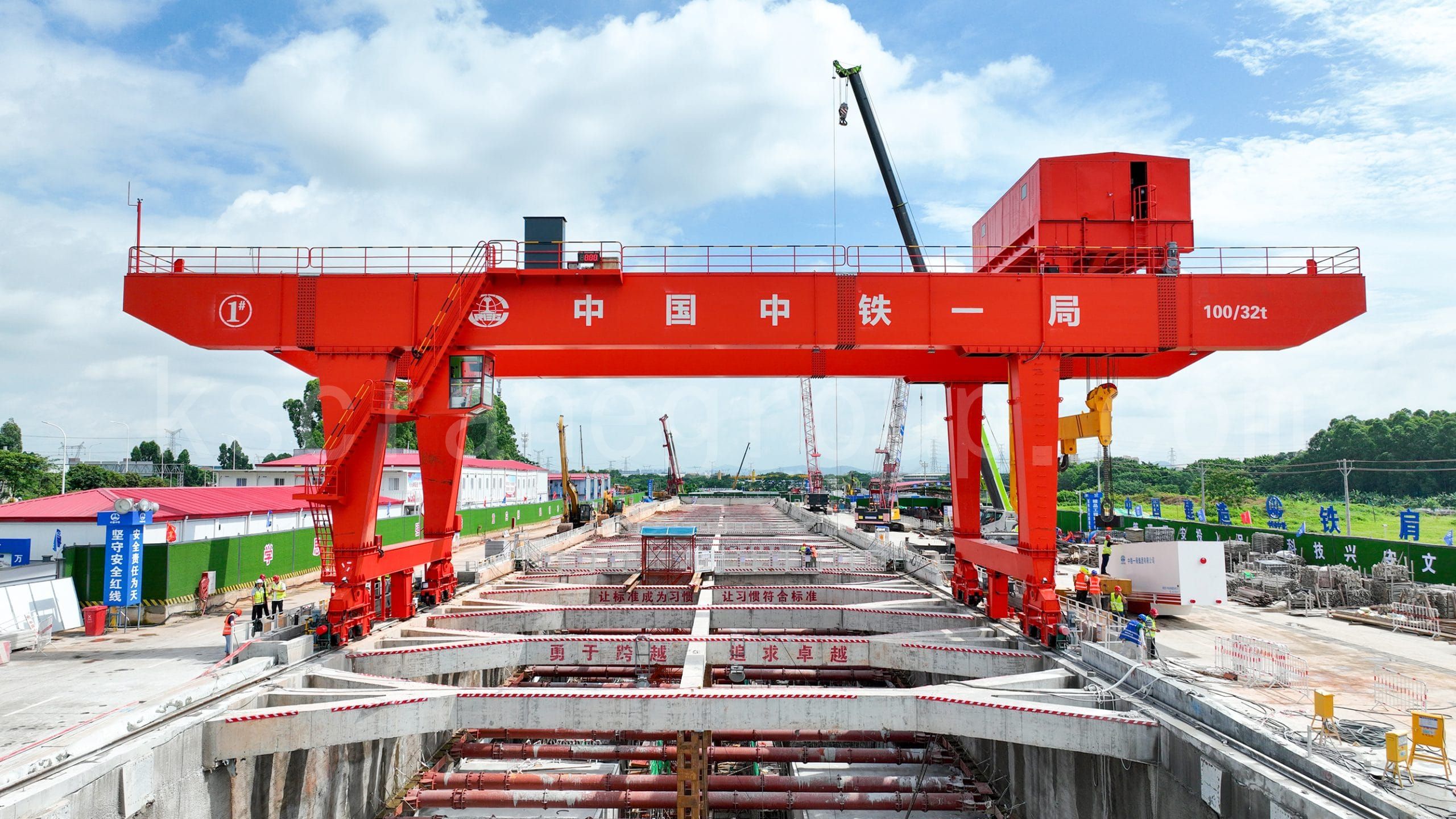
Metro construction sites: Cantilevers are typically necessary due to narrow spaces and fixed boundaries around excavation pits.

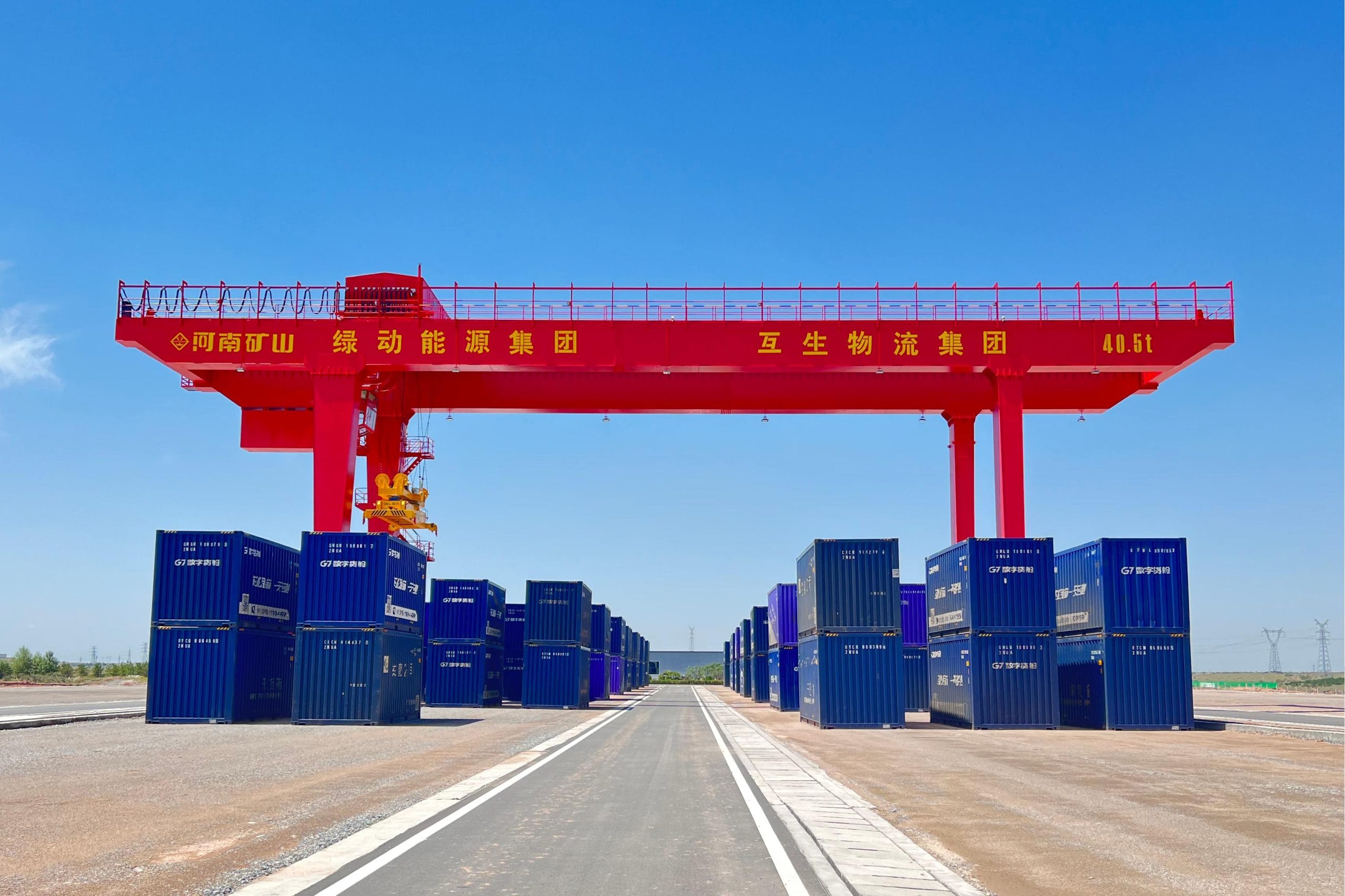
Port container yards: While layouts are standardized, conventional spans often suffice; cantilevers are applied selectively depending on yard configuration.

Conclusion: When Is a Cantilever Gantry Crane the Right Answer?

If your operational challenge stems from spatial boundaries, rather than insufficient lifting capacity, then a cantilever gantry crane is the correct structural solution.

The core principle is clear: cantilevers solve space problems, not performance limitations.

Effective application requires abandoning the misconception that “more complex structures are always better.” Instead, success lies in accurately identifying whether the core issue is spatial or performance-related, and then selecting a structure that precisely matches the site, operation, and engineering requirements—this is the fundamental principle behind the proper use of cantilever gantry crane technology.

Krystal
krystal
Crane OEM expert

With 8 years of experience in customizing lifting equipment, helped 10,000+ customers with their pre-sales questions and concerns, if you have any related needs, please feel free to contact me!

TAGS:
English
Español Português do Brasil Русский Français Deutsch 日本語 한국어 العربية Italiano Nederlands Svenska Polski ไทย Türkçe हिन्दी Bahasa Indonesia Bahasa Melayu Tiếng Việt 简体中文 বাংলা فارسی Pilipino اردو Українська Čeština Беларуская мова Kiswahili Dansk Norsk Ελληνικά English