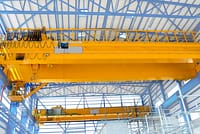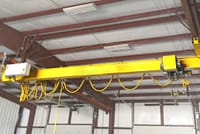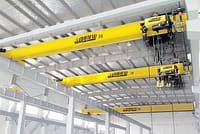
Open Winch vs Electric Hoist: Performance Comparison Under Same Tonnage

Date: 04 Jul, 2026

Within a certain tonnage range, the same double girder overhead crane can be configured with either an open winch or a wire rope electric hoist as the hoisting mechanism — both are technically feasible. This creates a real selection challenge: under the same tonnage, how should one choose between the two? The dilemma arises because these are not two specifications of the same mechanism, but two different systems optimized for different engineering goals. Misunderstanding them as “high-end vs low-end” or “expensive vs cheap” often leads to decisions mismatched with actual working conditions.

This article compares open winch vs electric hoist across the 5-20 ton range, examining duty class, weight, trolley height and headroom, left/right limit distances, and lifting capacity and speed. A selection decision matrix is provided to help equipment buyers choose the hoisting mechanism that matches their specific application.

Open Winch vs Electric Hoist: Which One is More Suitable?

Electric HoistOpen Winch
Duty classA3-A4A5-A6
16t double girder crane total weight9.6t, trolley ~2t22t, trolley 6.5t
Space above rail1450mm, 200mm+ clearance2097mm, 300mm+ clearance
Left/right limit distance, effective span at 16m span1900mm/2200mm, effective span 11.9m1850mm/1500mm, effective span 12.65m
16t lifting height9-12m10.5-31.5m, customizable higher
Lifting speed3.5 m/minMain hook 10.7 m/min, Aux hook 14 m/min
Trolley travel speed20 m/min44 m/min

Open Winch vs Electric Hoist: Duty Class

Duty class (A1-A8 per GB/T 3811) defines the design usage frequency and load intensity. Double girder cranes with electric hoist (3t-20t) have duty class A3-A4; QD type double girder cranes with open winch have standard duty class A5-A6. This difference stems from fundamentally different designs.

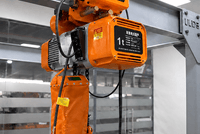
The electric hoist’s motor, gearbox, drum and brake are housed in a compact shell with oil bath lubrication and shell-based heat dissipation. This structure limits it to intermittent, low-to-medium frequency use — continuous high-load lifting causes heat buildup, oil temperature rise, and brake thermal degradation, reducing service life.

The open winch is the opposite: the motor is independently mounted with IP55 protection and Class F insulation, selected for continuous heavy-duty use. The gearbox is a separate cast iron housing with an independent oil sump and inspection access. The brake is independently configured, with dual-brake redundancy available for high-risk applications. This design supports duty classes from A5 to A8.

Selection decision: For intermittent, low-to-medium frequency use, A3-A4 electric hoist is sufficient. For high-frequency, heavy-load, near-continuous duty — such as furnace charging in steel mills, scrap handling, or foundry lifting — an open winch trolley is recommended.

Open Winch vs Electric Hoist: Weight Comparison

Electric HoistOpen Winch
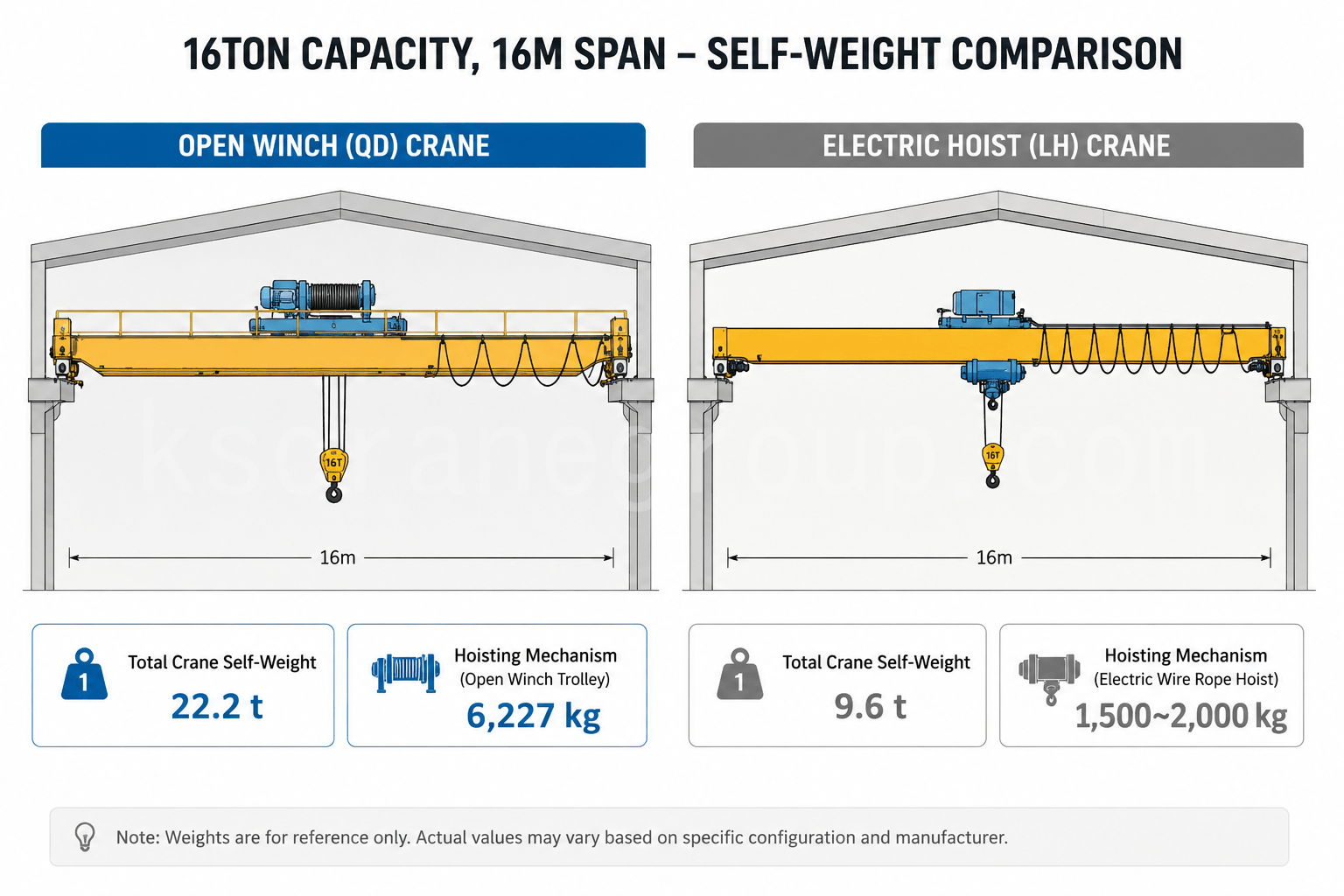
Total crane weight9.6 t22.2 t
Trolley (hoisting mechanism) weightApprox. 1500-2000 kg6,227 kg
Maximum wheel load103 KN155 KN
Open Winch vs Electric Hoist Weight Comparison

For the same 16t crane with 16.5m span, the open winch crane is 2.3 times heavier, and the trolley itself is over three times heavier. The electric hoist is a highly integrated unit: motor, gearbox, drum and brake are assembled as a single compact assembly, with the casing made of cast aluminum or iron serving as structural support, heat sink and protection — saving significant structural weight. The open winch trolley uses an independently flange-mounted heavy-duty motor, separate 3-4 stage helical gear cast iron gearbox, custom welded drum for multi-layer rope winding, box-type steel trolley frame, and optional dual-brake redundancy. Every “open, independent” component is traded for higher duty class and longer service life, with the cost being tons of steel and cast iron.

Selection decision: New heavy-duty workshops with ample headroom and foundation capacity should prioritize open winch systems, matching equipment with civil works for optimal long-term stability. Light steel buildings, old plant renovations, or limited rail bearing capacity favor the lightweight electric hoist for lower installation cost and better adaptability without major structural modifications.

Trolley Height and Headroom: Low Headroom Constraints

Electric HoistOpen Winch
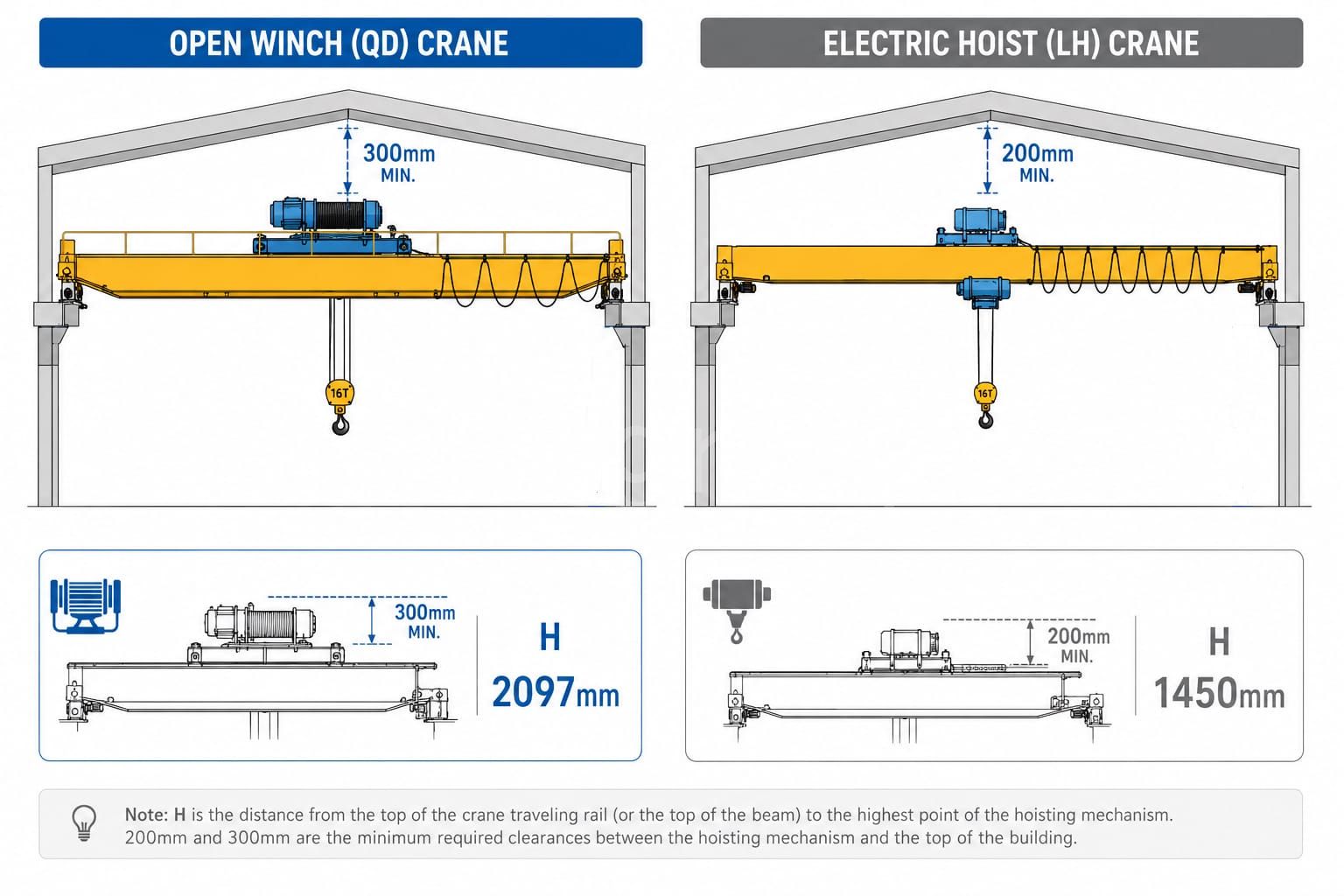
Height above rail1450mm2097mm
Indoor top clearance required200mm300mm
Trolley Height and Headroom Low Headroom Constraints

For the same 16t, 16m span, the electric hoist double girder crane has a structural height of approximately 1450mm from rail to highest point; the QD open winch has approximately 2097mm. The open winch requires 300mm+ clearance to the roof, while the electric hoist needs 200mm+. In total, the open winch occupies about 600mm more vertical space above the main girder.

This is because the electric hoist mechanism “lies” between or close to the main girders, creating a low overall height. The open winch motor, gearbox and drum are stacked vertically on an independent trolley frame, rising significantly higher.

Selection decision: If the workshop clearance from roof truss to rail is limited, the open winch may interfere with the roof structure or require raising the entire building — in such cases, the electric hoist is the only option. For high-bay workshops with ample vertical clearance, both mechanisms can be installed, and other factors should be compared. Clearance should be checked as a prerequisite during initial selection, not during installation.

Open Winch vs Electric Hoist: Left/Right Limit Distance and Effective Working Span

The main hook cannot run directly against the rail — it has minimum limit distances to each rail centerline, designated S₁ and S₂. Larger values mean the hook is further from the rail, reducing the effective working span.

16t, 16m span:

Electric HoistOpen Winch
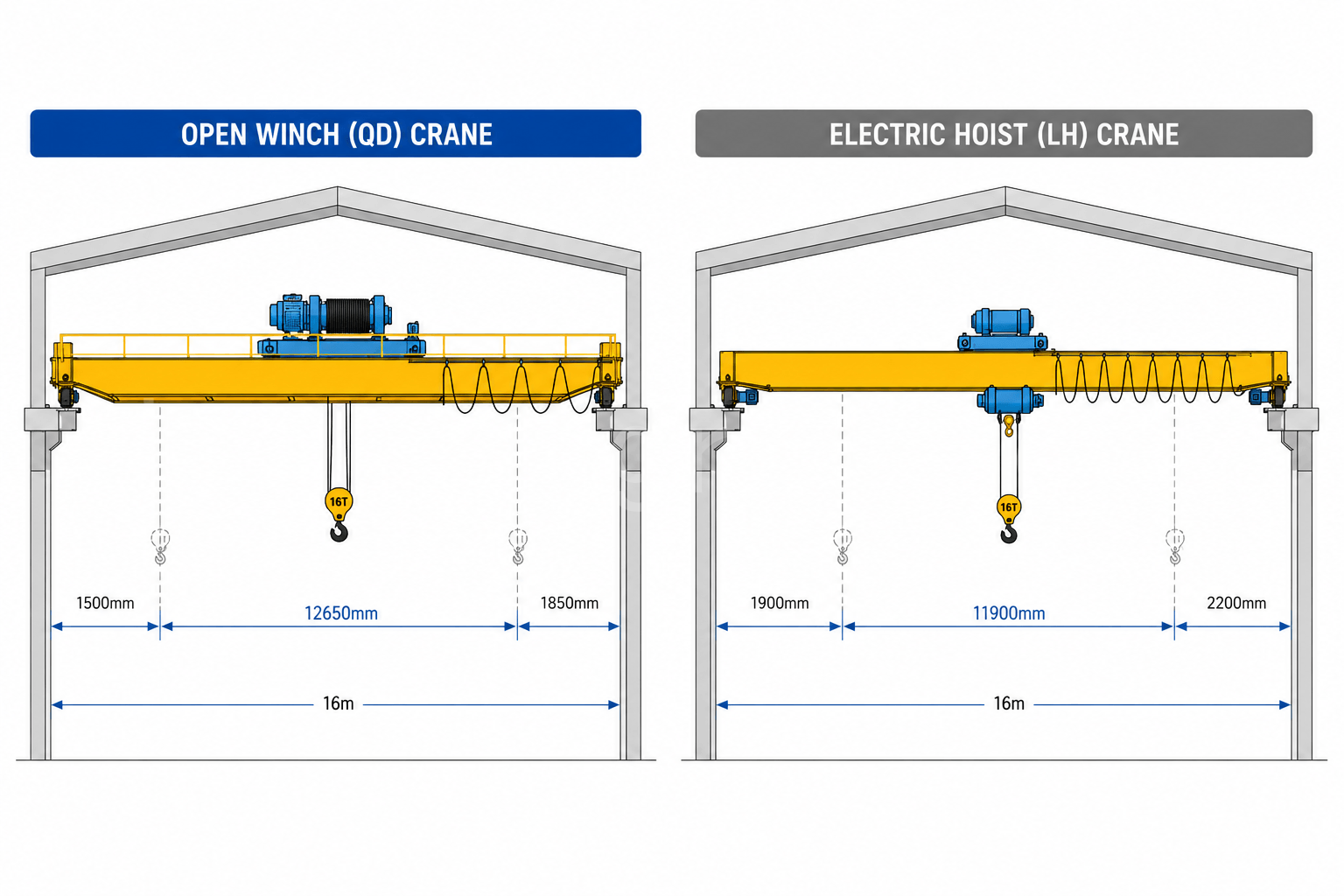
Hook Left & Right Limit Distance1900/2200 mm1500/1850 mm
Effective Working SpanApprox. 11900mmApprox. 12650mm
Open Winch vs Electric Hoist LeftRight Limit Distance and Effective Working Span

The electric hoist is offset-mounted, with the hook off-center, requiring more space on both sides. The open winch hook is positioned directly below the drum, providing better load alignment and closer approach to the rail. The open winch main hook can reach within 1500mm of the rail centerline — 400mm closer than the electric hoist’s 1900mm — adding approximately 1 meter of effective working area across the span.

Selection decision: For loading/unloading lines requiring loads to be placed at wall-side stations near span ends, the open winch provides wider working coverage. For applications where this is critical, choose the open winch.

Open Winch vs Electric Hoist: Lifting Height and Speed Differences

These parameters jointly determine crane operational capacity and efficiency:

Electric HoistOpen Winch
Lifting height9/12m, single hookMain hook 16m / Aux hook 18m
Main hook lifting speed3.5 m/min10 m/min
Trolley travel speed20 m/min44 m/min
Hook configurationSingle hookMain + auxiliary dual hooks

The electric hoist drum is constrained by the housing shell, limiting rope capacity. Standard lifting height typically reaches 9-12m; higher heights require non-standard customization. The open winch drum is not shell-constrained and can be sized as needed for multi-layer winding, offering virtually unlimited lifting height customization.

Speed differences are significant: the electric hoist trolley runs at 20 m/min, while the open winch trolley runs at 44 m/min — over twice as fast. This is because the compact electric hoist motor has limited power (16t hoist motor only 13kW), while the open winch is equipped with an independently selected motor with ample power capacity.

Selection decision: For high-bay facilities, high-lift requirements, high-throughput production lines, and applications requiring both large and small loads, the open winch offers significantly higher capacity. For general warehousing and low-frequency, low-to-medium tonnage handling, the electric hoist speed and lifting height are sufficient.

Open Winch or Electric Hoist: Quick Selection Guide

Based on the comparison above, recommendations by typical application:

SelectionReason
Intermittent, low-medium frequency, general manufacturing/warehousingElectric HoistA3-A4 sufficient, light weight
Limited headroom, old plant/light steel structureElectric HoistHoist saves vertical space
High frequency, heavy load, near-continuous dutyOpen WinchRequires A5+ duty class
Metallurgy/foundry/furnace charging/scrap handlingOpen WinchHigh duty class + dual brake redundancy
High lift height, high throughput, main+aux hooks neededOpen WinchLarge drum + high power motor

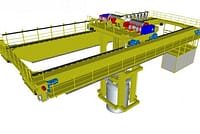
For a clearer understanding of the overall structure and specifications of both models, general arrangement drawings for CD₁ electric hoist type and QD open winch type double girder overhead cranes are available. These drawings show overall dimensions, trolley layout, and load-related parameters for site condition verification.

Note: All dimensions, weights and wheel loads in these drawings are theoretical design values. Due to variations in plate rolling, welding, and component assembly, actual manufacturing tolerances of ±5% to 15% are normal. Adequate safety margins should be reserved in civil works and rail design.

Still Not Sure? We Can Help You Decide

This article outlines the key differences between open winch and electric hoist, but the right choice depends on your actual working conditions — including load capacity, span, lifting height, duty class, daily lifting frequency, operating environment temperature, and other specific requirements.

KUANGSHANCRANE specializes in the design and manufacture of overhead and gantry cranes and core hoisting mechanisms. We offer both open winch and wire rope electric hoist solutions, with customized configurations based on specific working conditions. With over 20 years of industry experience, we hold CE, ISO 9001, special equipment manufacturing permits, and over 200 patents. Our products serve more than 50 industries across 100+ countries, and we have participated in developing multiple industry standards.

Whether you are planning a new project, upgrading existing cranes, or comparing open winch vs electric hoist for your application, our engineers can provide professional selection recommendations and customized solutions based on your actual conditions. Contact us to find the hoisting solution that best fits your needs.

Krystal
krystal
Crane OEM expert

With 8 years of experience in customizing lifting equipment, helped 10,000+ customers with their pre-sales questions and concerns, if you have any related needs, please feel free to contact me!

TAGS: Electric Hoist,Open Winch,Wire Rope Hoist
English
Español Português do Brasil Русский Français Deutsch 日本語 한국어 العربية Italiano Nederlands Svenska Polski ไทย Türkçe हिन्दी Bahasa Indonesia Bahasa Melayu Tiếng Việt 简体中文 বাংলা فارسی Pilipino اردو Українська Čeština Беларуская мова Kiswahili Dansk Norsk Ελληνικά English