Common Overhead Crane Mechanical Failures: Parts, Causes & Troubleshooting Guide

Date: 02 Jun, 2026

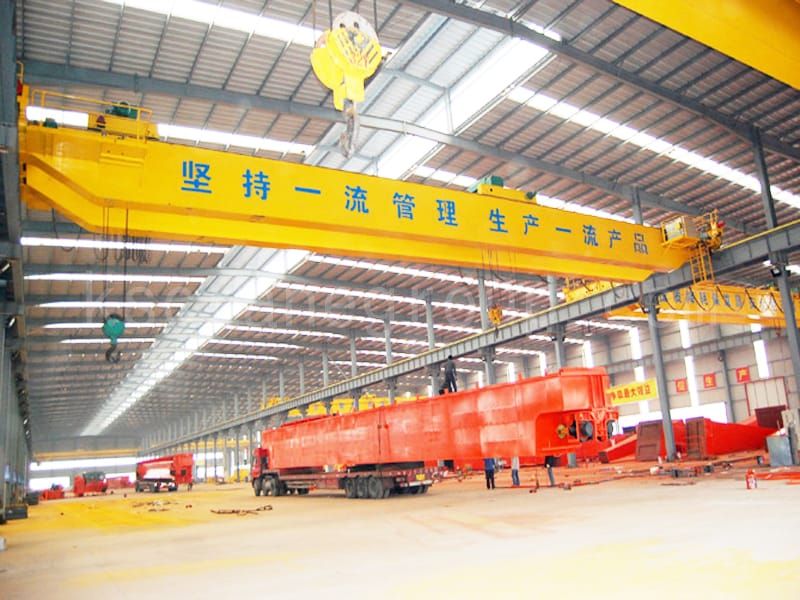
Common overhead crane mechanical failures are one of the leading causes of production downtime in manufacturing plants, warehouses, steel mills, ports, and heavy industrial facilities. Problems such as wire rope damage, brake failure, wheel wear, gearbox noise, hook deformation, and bearing overheating can quickly reduce crane performance and create serious safety risks.

The challenge is that many overhead crane mechanical failures begin with small symptoms — unusual vibration, abnormal noise, uneven travel, overheating, or load drift — before developing into major equipment breakdowns.

Understanding the most common overhead crane mechanical failures helps maintenance teams diagnose problems faster, reduce unplanned downtime, and prevent costly component damage.

This guide explains the symptoms, root causes, and corrective actions for the most common overhead crane mechanical failures, covering individual components, traveling mechanisms, brake systems, reducers, and wire rope assemblies.

1Common Overhead Crane Mechanical Failures

Part 1: Common Overhead Crane Mechanical Failures in Individual Components

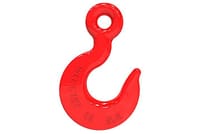
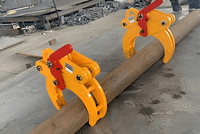
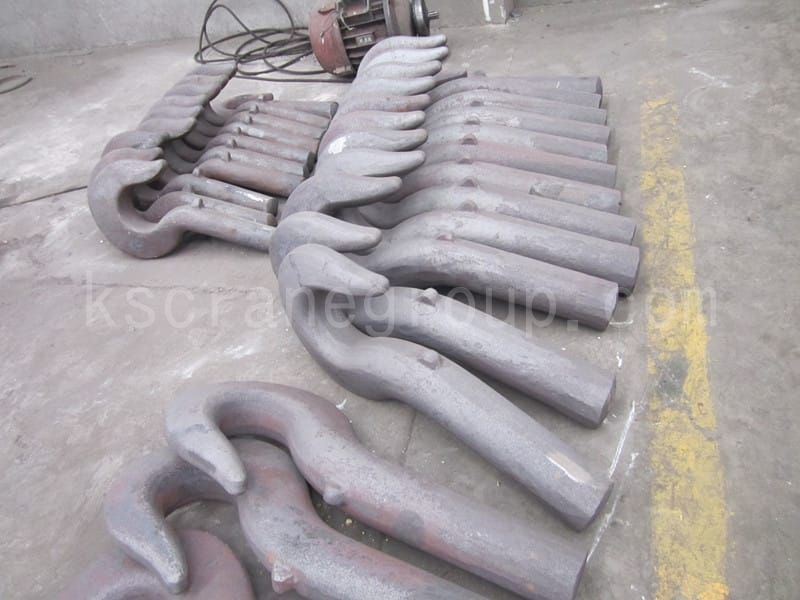
1. Forged Hook

2Common Overhead Crane Mechanical Failures Forged Hook
SymptomCauseCorrective Action
Surface fatigue cracks on hook bodyOverloading, extended service life, or material defectsReplace immediately upon crack detection
Wear on hook opening and critical cross-sectionLong-term overload and fatigueReplace when wear exceeds 10% of critical section
Plastic deformation at opening or bend areaChronic overloading, material fatigueReplace immediately — do not attempt straightening

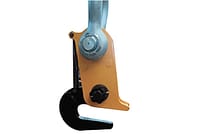
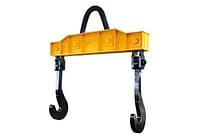
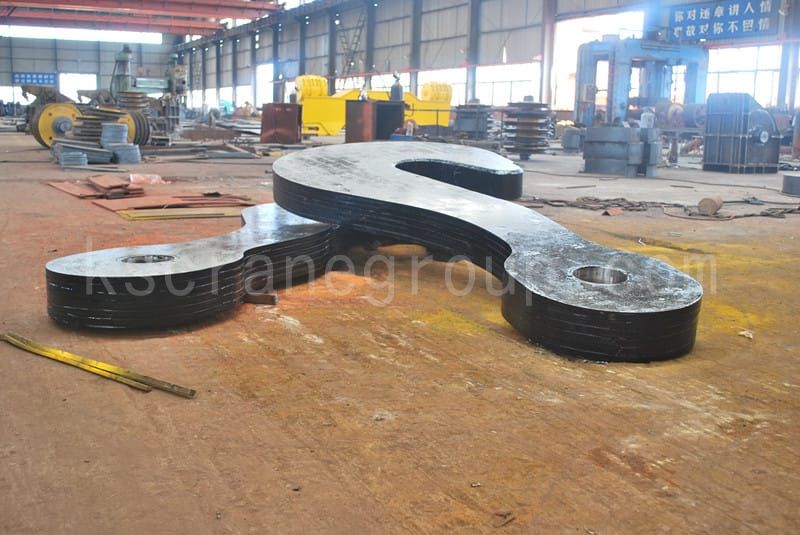
2. Laminated Hook (Plate Hook)
3Common Overhead Crane Mechanical Failures Laminated Hook Plate Hook
SymptomCauseCorrective Action
Hook deformationLong-term overloading; risk of hook fractureReplace
Surface fatigue cracksExtended service beyond design life, overloadReplace
Pin wear exceeds 3%–5% of nominal diameterNormal wear under loadReplace pin; risk of hook detachment
Cracks or burrs on ear ringFatigue stress concentrationReplace
Ear ring bushing wear reaches 50% of original thicknessUneven load distributionReplace

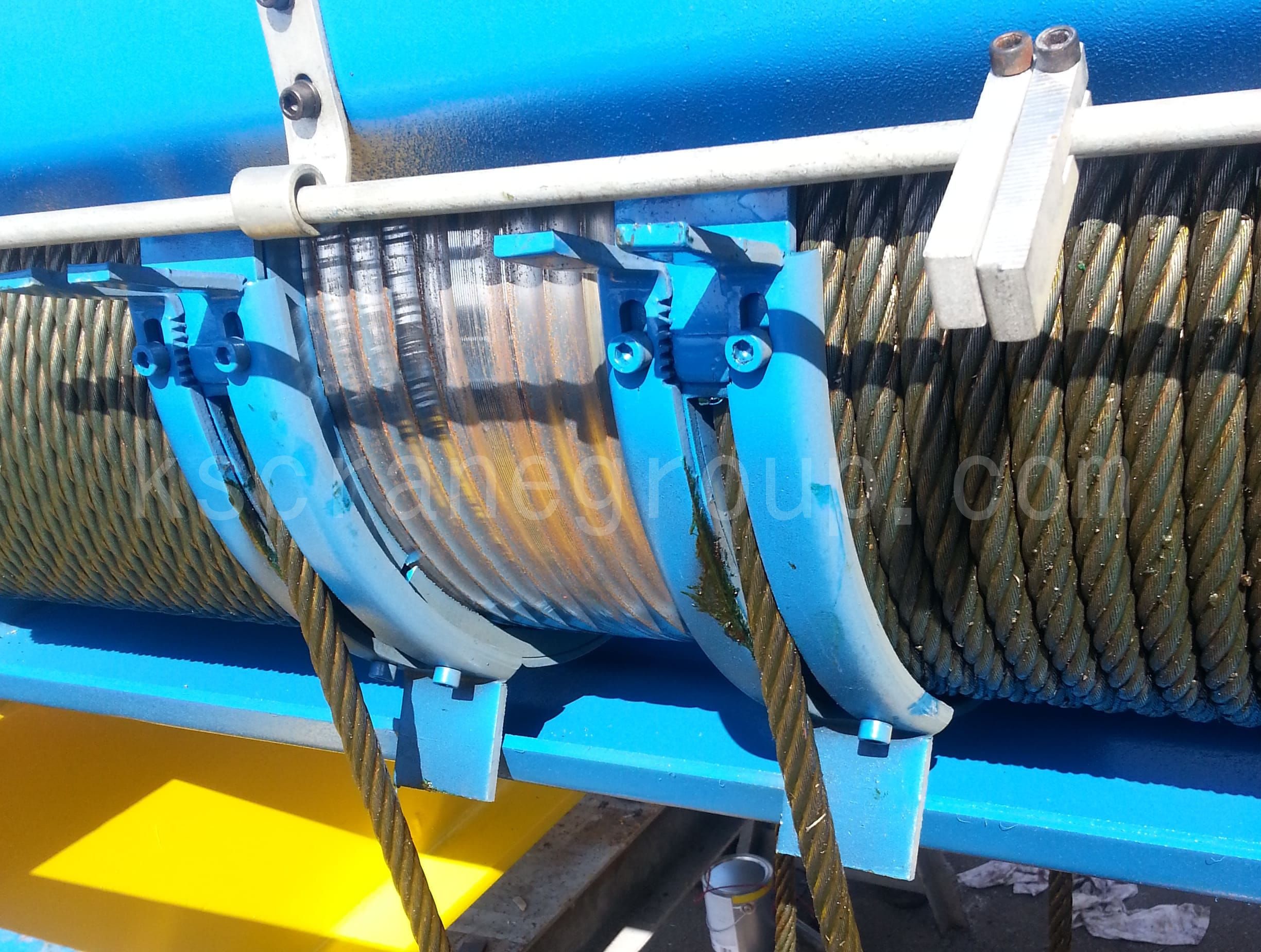
3. Wire Rope

SymptomCauseCorrective Action
Broken wires, broken strands, kinking, or visible wearFatigue, abrasion, improper spoolingStop use immediately for broken strands or kinking. For broken wires, replace per ASME B30.2 discard criteria. For wear, measure remaining diameter and replace when below manufacturer tolerance.

Key rule: A single broken strand means the rope is done. Don't push it.

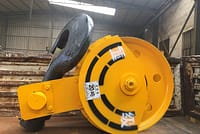
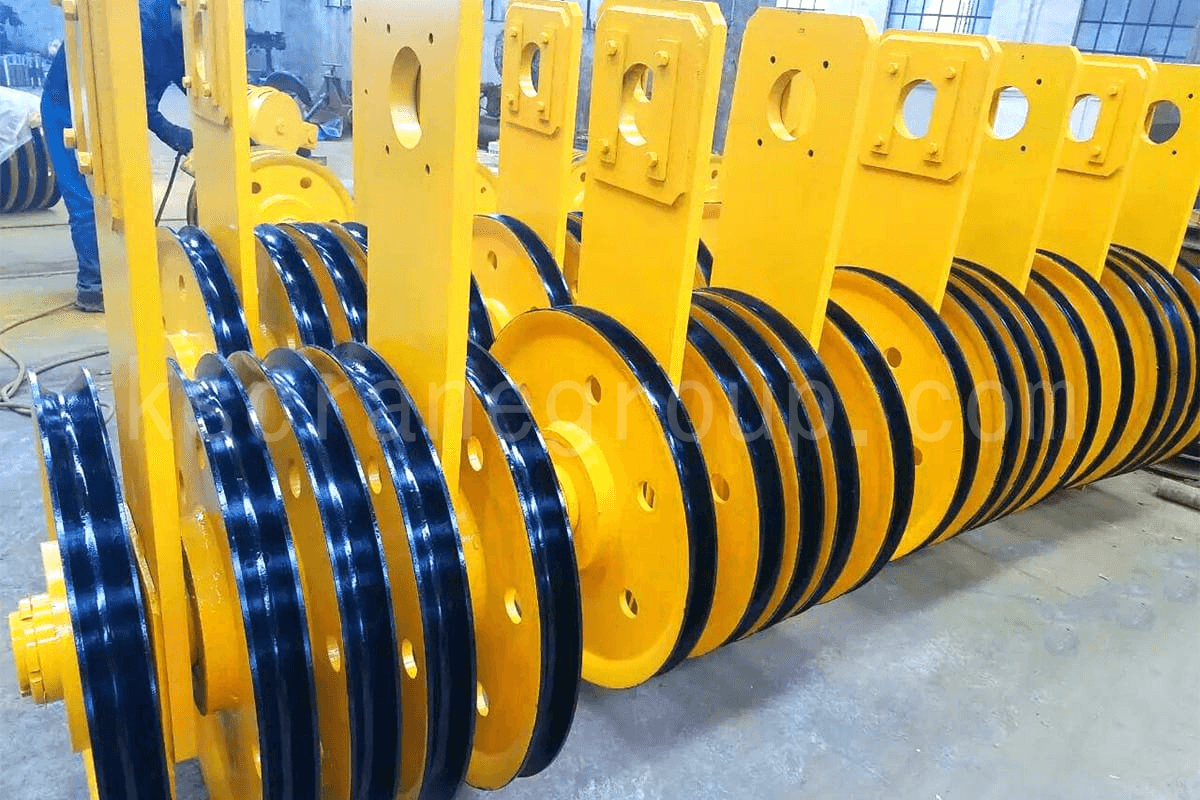
4. Pulley (Sheave)

5Common Overhead Crane Mechanical Failures Pulley Sheave
SymptomCauseCorrective Action
Uneven groove wearNon-uniform material, improper installation, poor rope-to-groove contactReplace when groove wall wear reaches 10% of original thickness, or radial wear reaches 25% of rope diameter
Shaft wear reaches 3%–5% of nominal diameterNormal friction wearReplace shaft
Pulley won't rotateContamination or lack of lubrication on shaftClean, inspect, and re-lubricate
Pulley tilting or looseLoose shaft retainer or rope jumping the grooveInspect and repair shaft retention
Cracks or broken flangeImpact damage or fatigueReplace immediately

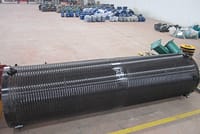
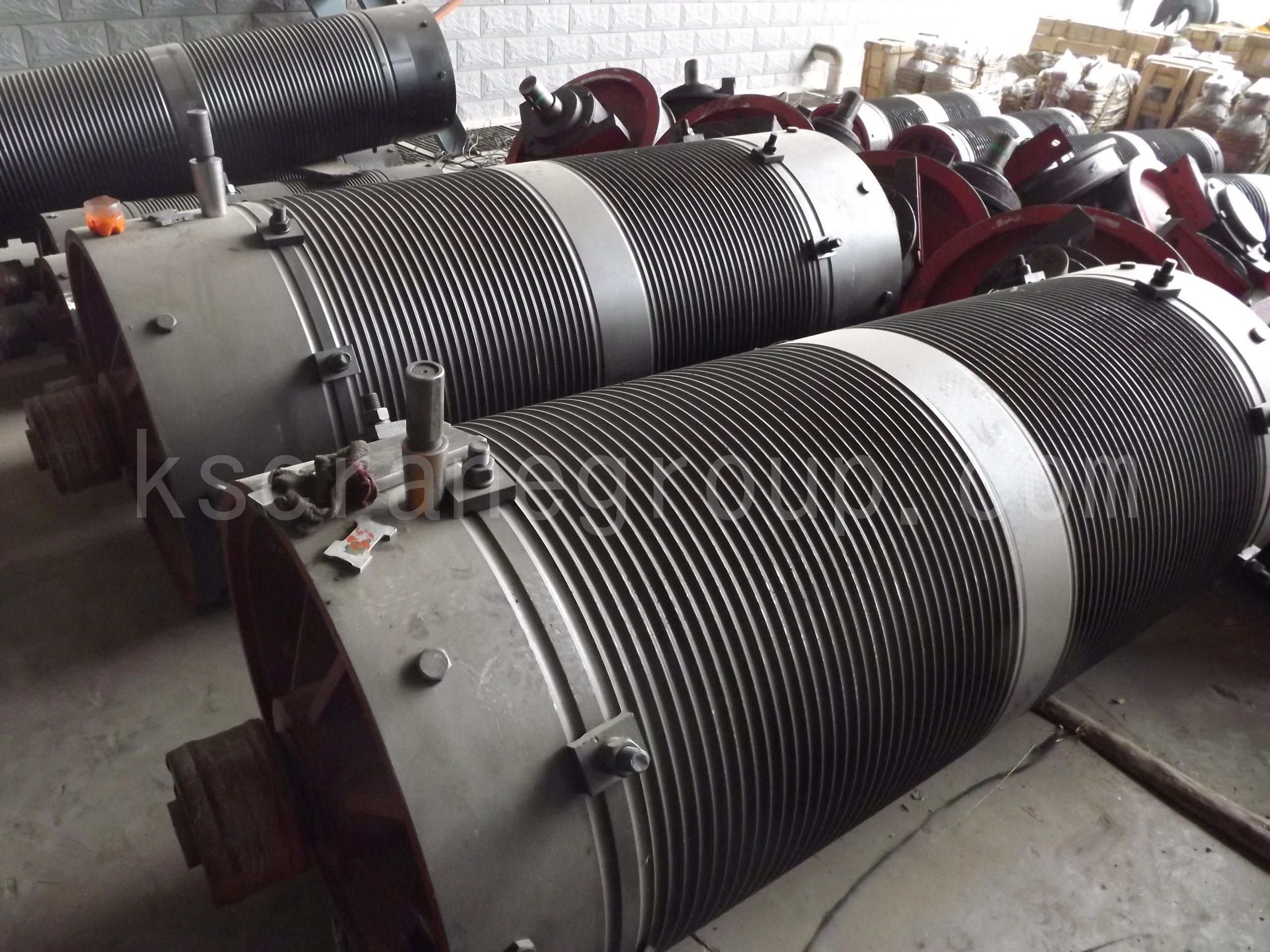
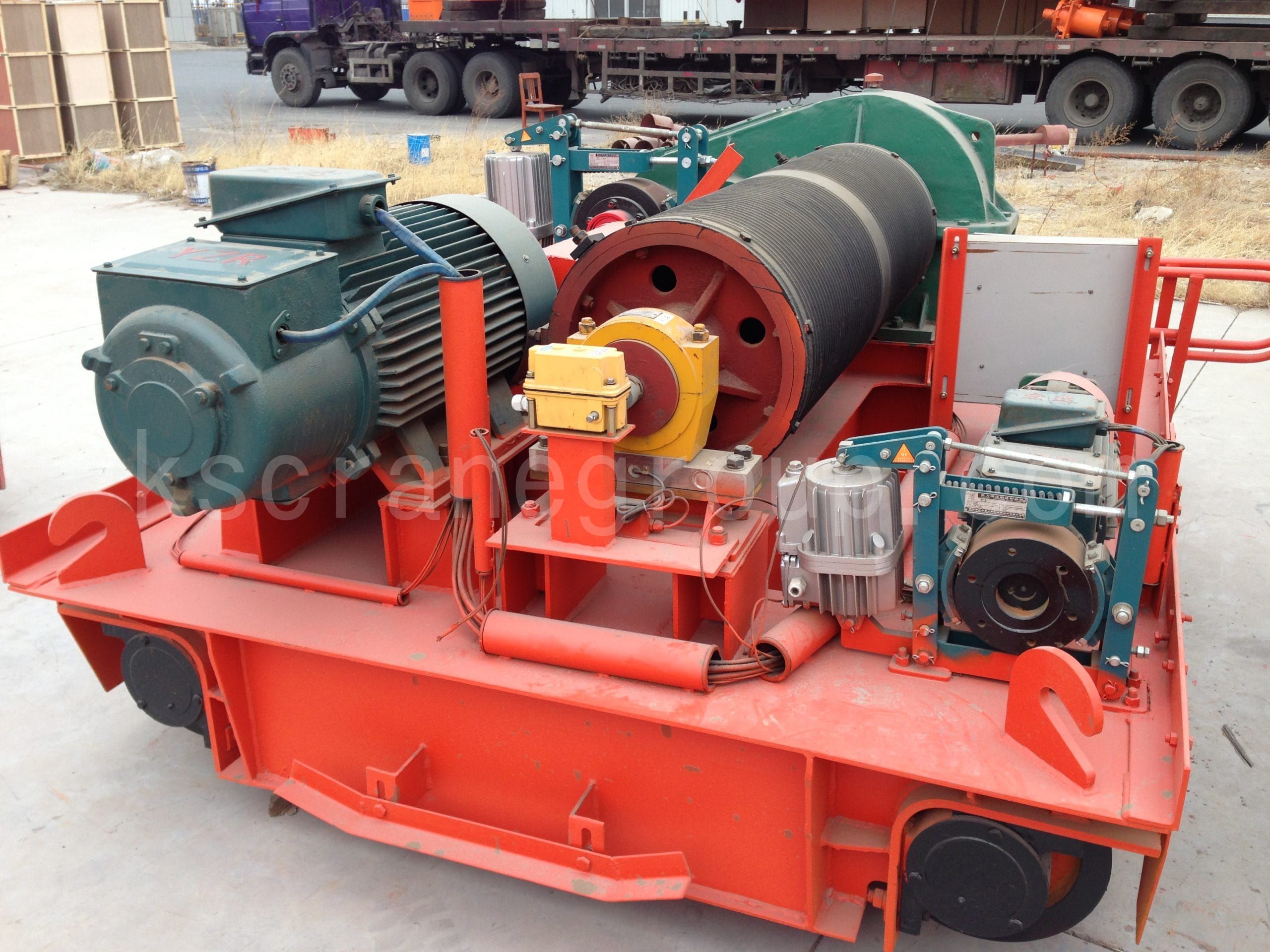
5. Drum

SymptomCauseCorrective Action
Fatigue cracks on drum bodyCyclic loading beyond design life; risk of drum ruptureReplace drum
Drum shaft or key wearFretting and torque cycling; risk of shaft shear and load dropStop use immediately; inspect and replace shaft/key
Rope groove wear reaches 15%–20% of original wall thickness, or rope skipping/jumping groovesExtended service; weakened drum structure and chaotic spoolingReplace drum

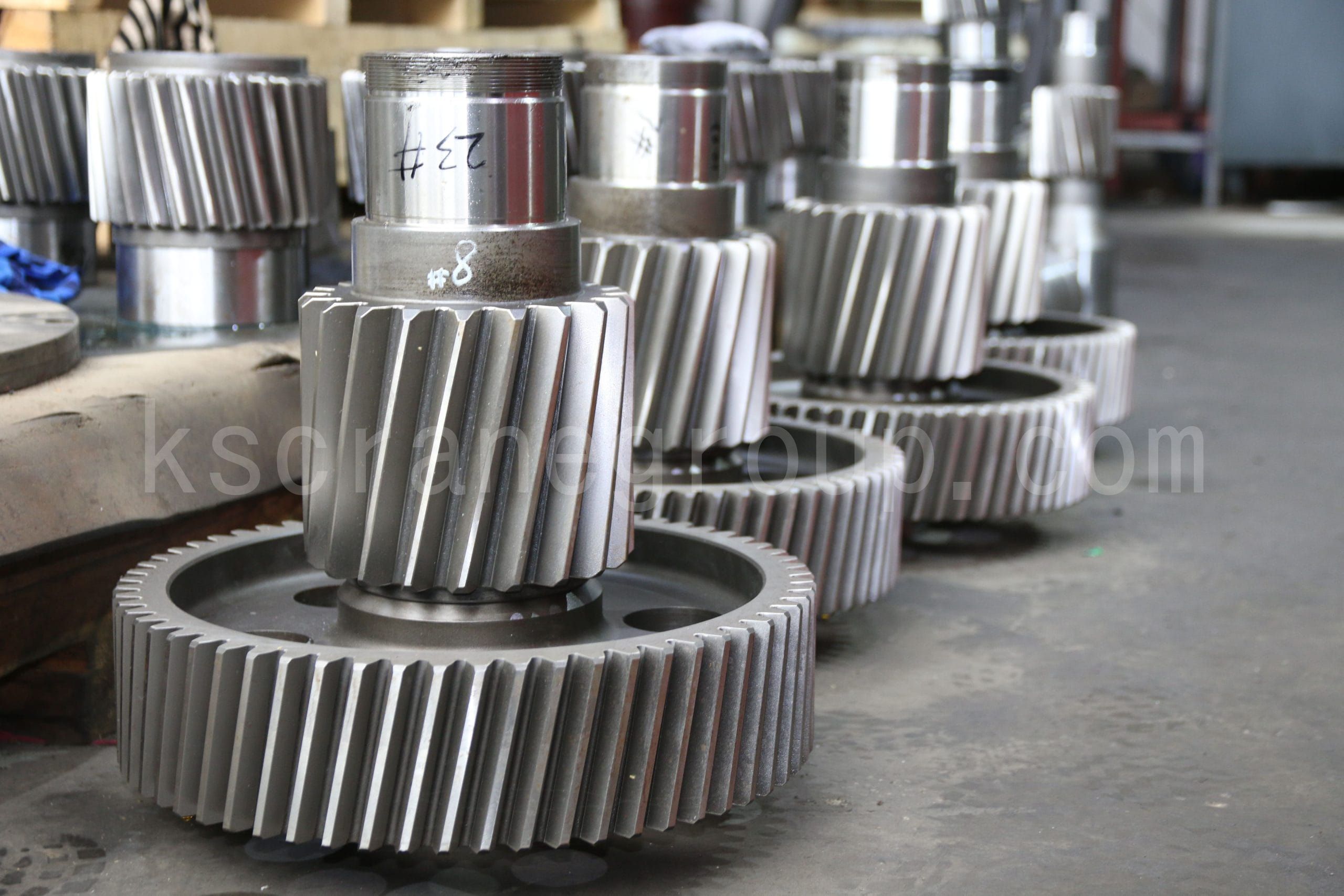
6. Gear

SymptomCauseCorrective Action
Broken gear teethImpact and vibration during operationReplace gear
Tooth wear reaches 15%–25% of original thicknessExtended service, incorrect installation; vibration and abnormal noiseReplace gear
Gear cracksFatigue or material defectReplace for hoisting mechanism; weld-repair acceptable for travel mechanisms
Keyway failure from “key rolling”Overload torque; risk of load dropReplace for hoisting mechanism; re-machine keyway for travel mechanisms
Surface spalling covers 30%+ of working area, or spalling depth reaches 10% of tooth thickness; carburized gear wear depth exceeds 80% of case depthExtended service, heat treatment quality issuesReplace. For high-speed stage gears in reducers with pitch line velocity >8 m/s, replace in matched pairs

7. Drive Shaft

SymptomCauseCorrective Action
CracksPoor material quality or improper heat treatmentReplace
Shaft bending exceeds 0.5 mm/mOverload or misalignment; causes journal wear, vibration, and runoutReplace or straighten
Keyway damageTorque overload; unable to transmit torqueReplace for hoisting mechanism; repair and reuse acceptable for travel mechanisms

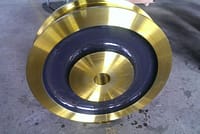
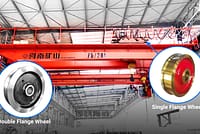
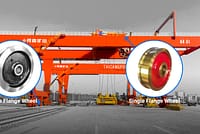
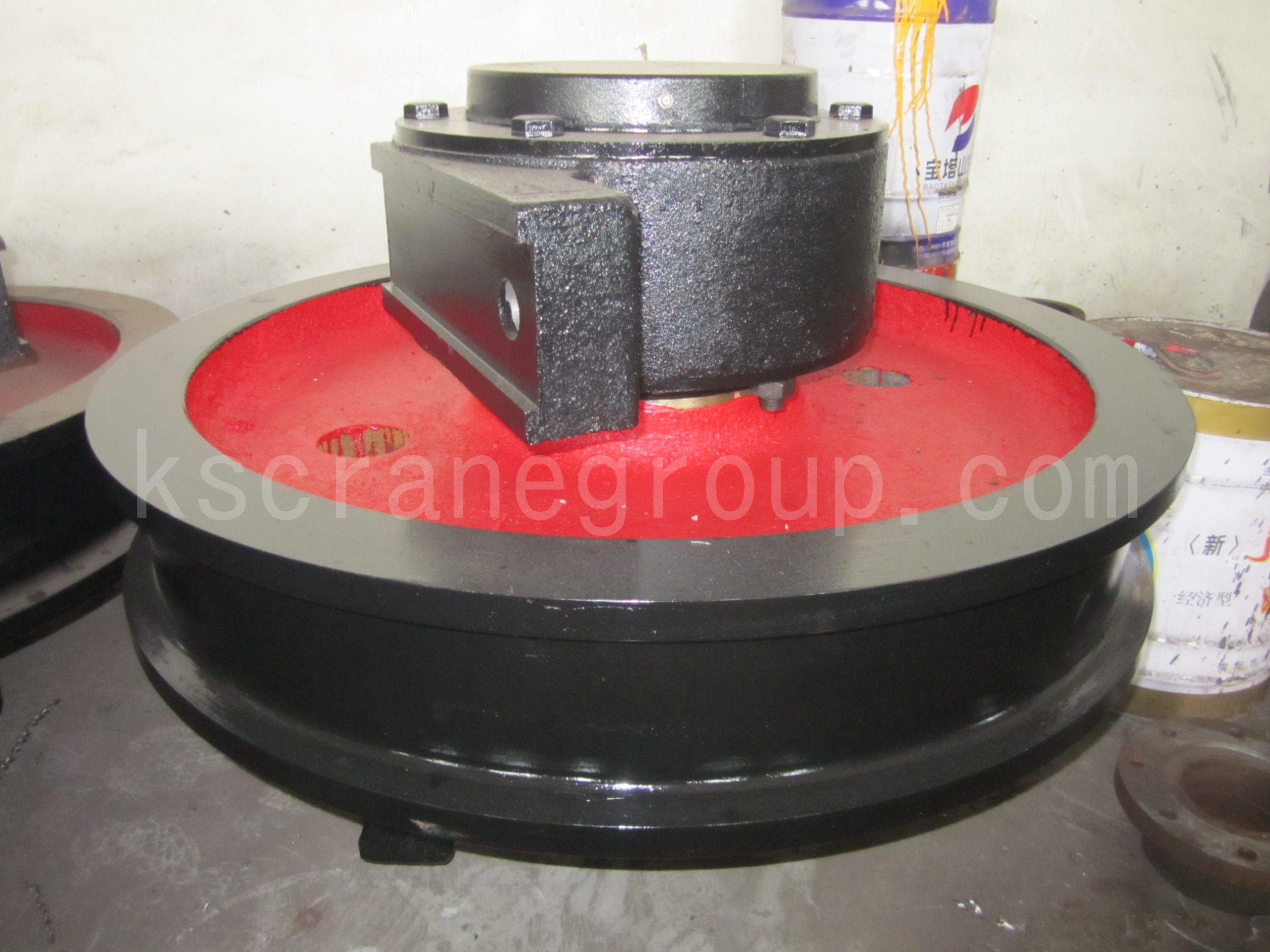
8. Running Wheel (Travel Wheel)

SymptomCauseCorrective Action
Fatigue cracks on tread, web, or hubCyclic stressReplace
Uneven tread wear on drive wheelsMisalignment; causes rail skewing, crane tilting, and vibrationReplace in matched pairs
Tread wear reaches 15% of rim thicknessExtended serviceReplace
Flange wear reaches 50% of original thicknessCrane skewing and rail-side contact; risk of derailmentReplace

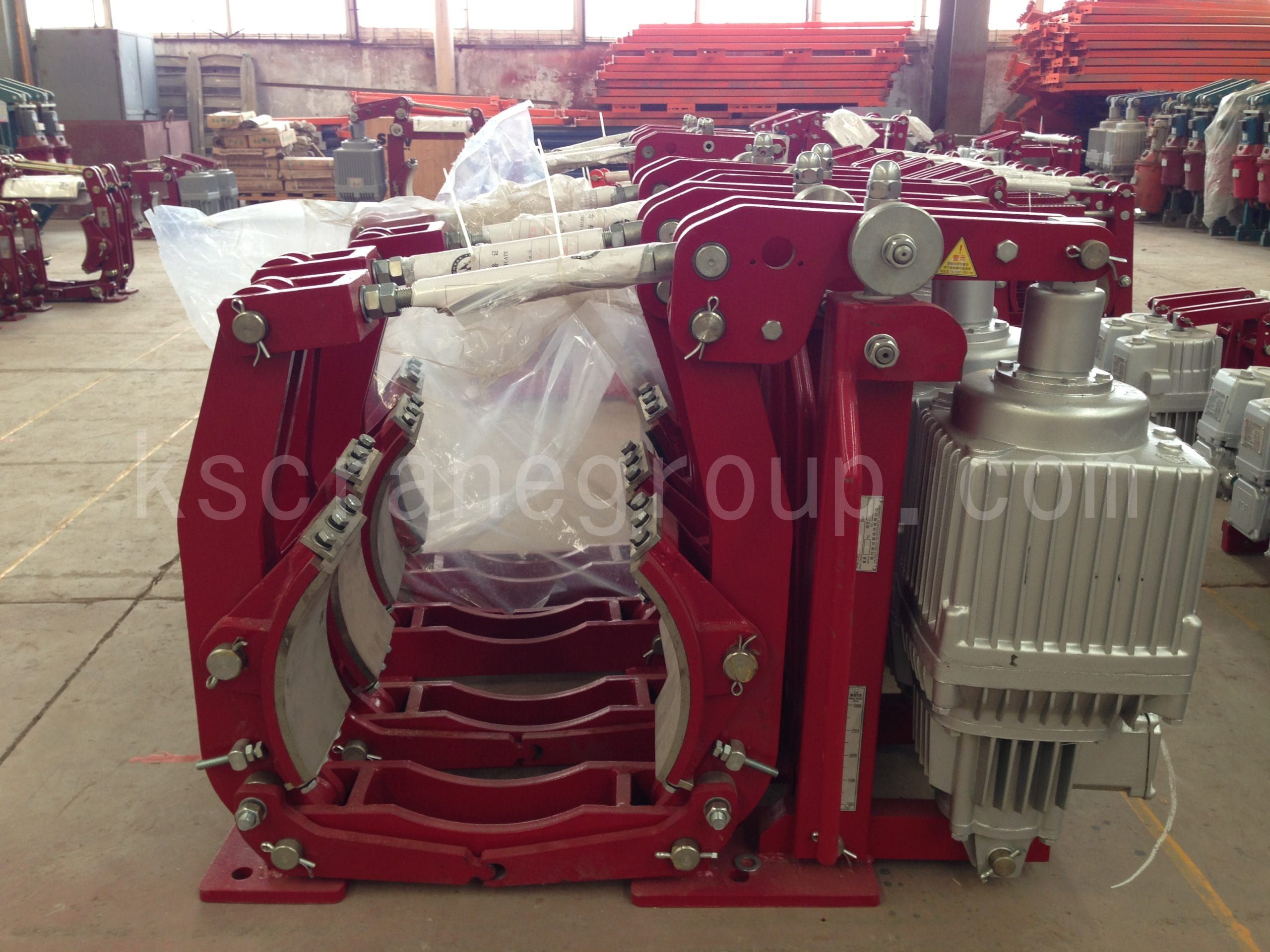
9. Hydraulic Brake (Component-Level)

SymptomCauseCorrective Action
Fatigue cracks on pull rodCyclic loading; brake failureReplace
Fatigue cracks on springMaterial fatigue; brake failureReplace
Pin/shaft wear reaches 3%–5% of nominal diameterWear; brake won't holdReplace
Brake drum wear reaches 1–2 mm, or 40%–50% of original rim thicknessFriction wear; load drift or slippageRe-machine drum surface and heat-treat; ensure post-machining thickness >50% of original. For hoist brakes: scrap at 3 mm wear or 40% thickness loss
Brake lining wear reaches 2 mmNormal friction wear; brake failureReplace friction lining

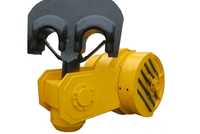
10. Coupling

10Common Overhead Crane Mechanical Failures Coupling
SymptomCauseCorrective Action
Cracks in coupling half-bodyFatigue; coupling failureReplace
Connecting bolt or pin hole wearShock and vibration during start/stop; bolt shear, load drop risk in hoist applicationsReplace for hoisting mechanism; weld-repair and re-bore acceptable for travel mechanisms
Gear coupling tooth wear or breakageLack of lubrication, heavy-duty cycles, plug-reversingFor hoisting: replace when tooth wear reaches 15% of original thickness. For travel: replace at 30% wear
Keyway crushing or deformationOverload; key disengagement, torque transmission failureReplace for hoisting mechanism; repair for others
Pin, shear pin, or rubber element wearShock and vibration during start/stopReplace worn components

Part 2: Common Overhead Crane Mechanical Failures in Systems and Assemblies

1. Rolling Bearing

SymptomCauseCorrective Action
Excessive temperatureContaminated lubricant, insufficient or excessive oil/greaseClean contamination, check lubricant level, replace bearing if needed
Unusual noise (continuous dull sound)Contaminated bearingClean thoroughly
Metallic grinding soundLack of lubricationRe-lubricate
Filing or impact noiseDamaged cage or rolling elementsReplace bearing

2. Brake System

2.1 Brake Fails to Hold (Load Drift)

Possible CauseCorrective Action
Lever hinge jammedClear obstruction and lubricate
Oil/grease on brake drum or friction liningClean with solvent (kerosene)
Insufficient electromagnet core strokeAdjust brake linkage
Severe wear on brake drum or liningReplace friction lining; machine or replace drum
Loose or damaged main springReplace and re-tension
Loose lock nut or pull rodTighten lock nut
Hydraulic thruster impeller not rotating properlyInspect thruster mechanism and electrical circuit

2.2 Brake Won't Release

Possible CauseCorrective Action
Electromagnet coil burned outReplace coil
Broken wire to electromagnetRepair connection
Friction lining stuck to brake drumClean with kerosene
Hinge seizedClear obstruction and lubricate
Main spring force too high, or counterweight too heavyAdjust spring tension
Bent brake push rod (hydraulic thruster type)Straighten or replace push rod
Incorrect hydraulic fluidReplace with fluid rated for operating ambient temperature
Impeller seizedAdjust thruster mechanism, check electrical circuit
Supply voltage below 85% of rated — insufficient electromagnetic pullIdentify and resolve voltage drop

2.3 Brake Overheating — Burning Smell, Rapid Lining Wear

Possible CauseCorrective Action
Brake shoes not fully disengaging from drum after release — residual frictionAdjust clearance
Uneven or excessively small gap between both shoes and drumAdjust both sides evenly
Auxiliary spring damaged or bent (short-stroke brake)Replace or repair auxiliary spring
Rough brake drum working surfaceRe-machine drum surface to specification

2.4 Brake Drifts Out of Adjustment — Unstable Braking Torque

Possible CauseCorrective Action
Adjusting nut and lock nut not tightenedTighten both nuts
Damaged threadsReplace threaded components

2.5 Electromagnet Overheating or Humming

Possible CauseCorrective Action
Main spring force too highAdjust to appropriate value
Lever system jammedClear cause of jamming, lubricate
Armature and core mating surface misalignedScrape mating surface flat

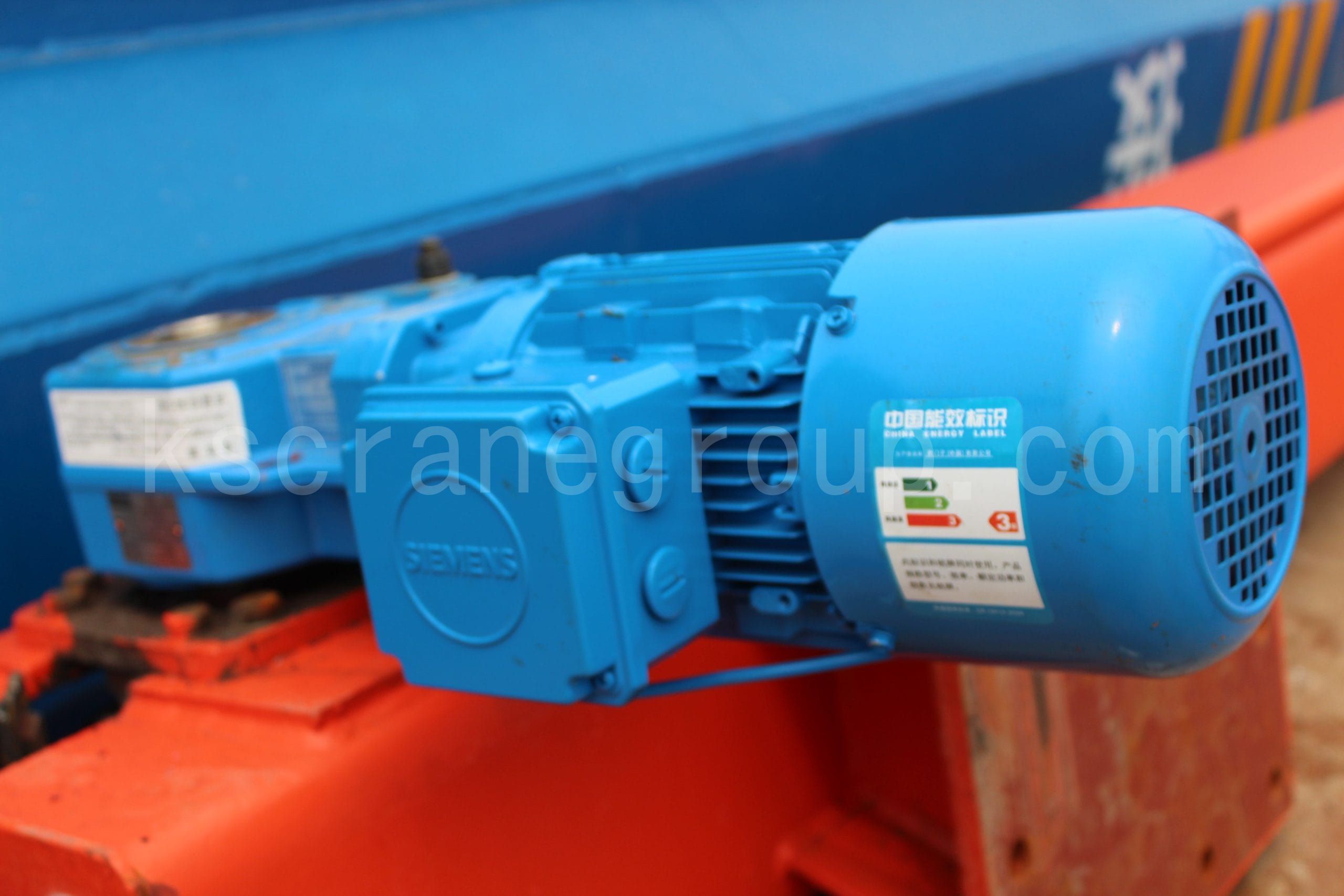
3. Reducer (Gearbox)

SymptomCauseCorrective Action
Periodic gear chatter, especially on driven gearExcessive pitch error, out-of-tolerance backlashRepair and re-install
Severe metallic rubbing noise, reducer vibration, housing rattlingGear backlash too small, shafts not parallel, sharp tooth tips; uneven gear working surfaceRepair and re-install
Uneven knocking during meshing, housing vibrationTooth surface defect; contact on corner of tooth only, not full face widthReplace gear
Housing overheating, especially at bearing seatsBearing failure; shaft journal seizure; gear wear; lack of lubricantReplace bearing, inspect shaft and gears
Oil leak at split faceSeal failure; housing deformation; uneven split face; loose connecting boltsReplace seals; inspect split face — replace housing if severely deformed; scrape split face flat; clean oil return grooves and tighten bolts
Reducer vibrating on baseLoose anchor bolts; misaligned shaft connections; insufficient base rigidityTighten anchor bolts; realign shafts; reinforce base
Overall reducer overheatingExcessive lubricantAdjust oil level to specification

4. Sliding Bearing (Plain Bearing)

SymptomCauseCorrective Action
Excessive overheatingBearing misaligned or tightened too much; incorrect clearance; insufficient or substandard lubricantCorrect misalignment and tightening; adjust clearance; replenish lubricant; replace with qualified lubricant

5. Crane Bridge Traveling Mechanism

SymptomCauseCorrective Action
Bridge skewing, rail-side scraping (crabbing)Drive wheel diameter mismatch between two sidesMeasure, machine, or replace wheels
Not all drive wheels in full contact with railPosition loaded trolley at the lagging end; if bridge straightens, that drive wheel has insufficient contact — increase wheel diameter on that side
Drive wheel axis misalignmentInspect and correct axis alignment
Structural deformation of bridgeStraighten structure
Poor rail installation qualityAdjust rail to meet installation specifications
Oil or ice on rail surfaceRemove oil/ice from rails

6. Trolley Traveling Mechanism

SymptomCauseCorrective Action
Wheel slippageOil on rail surface; uneven wheel loading; excessive elevation difference between two rails in same cross-section; overly aggressive acceleration/brakingClean rails; adjust wheel loading; adjust rail elevation to specification; soften starting method (consider wound-rotor motor)
Trolley running on three wheels (“three-legged”)Excessive wheel diameter deviation; improper installation; trolley frame deformationMachine wheels to drawing tolerance; re-adjust per specification; straighten frame
Body twisting on startupUneven trolley wheel loading, or one drive wheel suspended; rail skewingCorrect three-legged condition; resolve rail crabbing issue

7. Wire Rope & Pulley System

SymptomCauseCorrective Action
Wire rope wears rapidly or breaks frequentlyPulley/drum diameter too small; drum groove size mismatched to rope diameter; dirt present, lack of lubrication; hoist limit switch striker plate incorrectly installed and rubbing rope; rough or defective groove or flange surfaceReplace with more flexible rope, or increase pulley/drum diameter; replace with thinner rope of equal capacity, or replace pulley/drum; clean and lubricate; adjust striker plate
Individual pulley not rotatingBearing lacks oil, contaminated, or rustedLubricate and clean

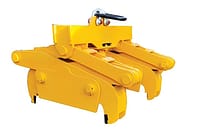
8. Rail Clamp

SymptomCauseCorrective Action
Insufficient clamping force, won't grip railPivot hinge seized, poor lubrication; brake band (jaw) worn, significantly reduced clamping torqueClean and lubricate hinge; replace worn components

How to Prevent Common Overhead Crane Mechanical Failures

Preventing common overhead crane mechanical failures is far more cost-effective than emergency repair or unexpected production downtime. Most crane mechanical problems develop gradually and can be identified early through inspection and preventive maintenance.

Inspect Hooks and Wire Ropes Regularly

Routine inspections should focus on hook deformation, fatigue cracks, wire rope broken strands, kinking, and abnormal wear. Early detection prevents sudden lifting failures.

Maintain Proper Lubrication

Poor lubrication is a major cause of crane gearbox failure, bearing overheating, and coupling wear. Gear reducers, bearings, pulleys, and wheel assemblies should follow a scheduled lubrication program.

Monitor Brake Performance

Overhead crane brake failure can lead to load drift and unsafe operation. Brake lining wear, spring condition, and drum surface quality should be checked regularly.

Check Wheel and Rail Alignment

Misaligned wheels and rails accelerate tread wear, flange damage, and crane skewing problems. Proper alignment reduces vibration and mechanical stress.

Address Small Symptoms Early

Unusual noise, vibration, overheating, or travel irregularities are often early indicators of overhead crane mechanical failures. Small repairs performed early can prevent major component replacement.

Replace vs Repair: Crane Component Decision Guide

ScenarioAction
Any component on hoisting mechanism with cracks, keyway failure, or wear beyond limitReplace — no repair
Travel mechanism gear with minor cracks or keyway damageRepair acceptable after engineering assessment
Brake drums with surface wear within limitsRe-machine, then verify remaining thickness ≥ 50% of original
Wire rope with broken strand(s)Replace immediately — not repairable
Structural welds with cracksWeld repair per qualified procedure; partial penetration cracks may require reinforcement plate

Need Expert Support for Common Overhead Crane Mechanical Failures?

At KUANGSHAN CRANE, we provide OEM-spec replacement parts and maintenance support for overhead cranes, gantry cranes, and jib cranes.

If you are experiencing recurring common overhead crane mechanical failures, our engineering team can help diagnose problems, recommend replacement parts, and optimize crane reliability to reduce unexpected downtime.

Krystal
krystal
Crane OEM expert

With 8 years of experience in customizing lifting equipment, helped 10,000+ customers with their pre-sales questions and concerns, if you have any related needs, please feel free to contact me!

TAGS: Common Overhead Crane Mechanical Failures
English
Español Português do Brasil Русский Français Deutsch 日本語 한국어 العربية Italiano Nederlands Svenska Polski ไทย Türkçe हिन्दी Bahasa Indonesia Bahasa Melayu Tiếng Việt 简体中文 বাংলা فارسی Pilipino اردو Українська Čeština Беларуская мова Kiswahili Dansk Norsk Ελληνικά English