-
EQUIPMENT
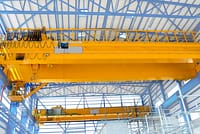
- EOT Crane
-
Gantry Crane
-
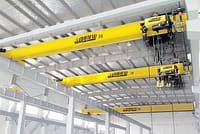
Single Girder Gantry Crane
-
Double Girder Gantry Crane
-
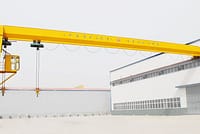
Semi-Gantry Crane for Space-Efficient and Flexible Material Handling
-
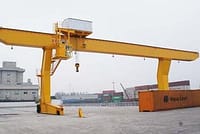
L Type Single Girder Gantry Crane for Outdoor Long-Load Handling
-
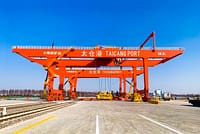
Container Handling Gantry Crane
-
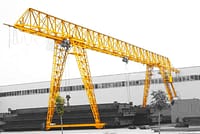
MH Single Girder Truss Gantry Crane
-
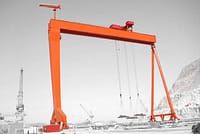
Goliath Gantry Cranes for Shipyard and Shipbuilding
-
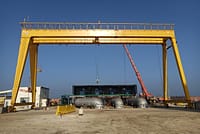
FEM Standard Double Girder Gantry Crane
-
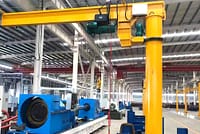
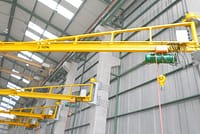
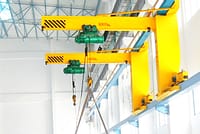
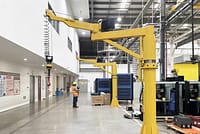
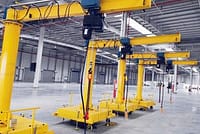
- Jib Crane
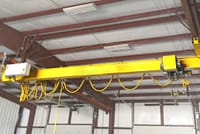
- Overhead Crane
- Workstation Crane
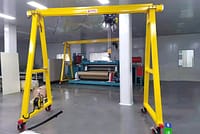
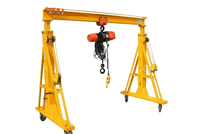
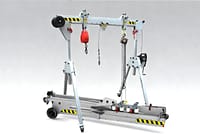
- Portable Gantry Crane
-
special cranes
-
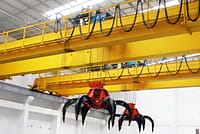
Garbage Grab Crane
-
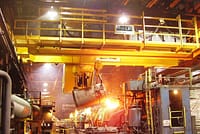
Foundry Overhead Crane
-
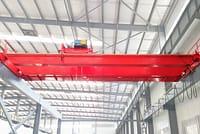
Explosion-proof Overhead Crane
-
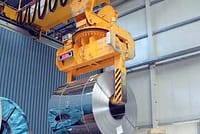
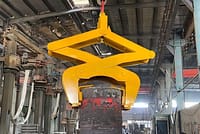
Tongs Overhead Crane
-
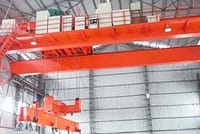
Overhead Crane with Carrier-beam
-
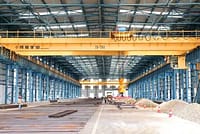
Electromagnetic Overhead Cranes
-
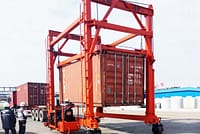
Diesel Hydraulic Straddle Carrier: Flexible Operation and Affordable Solution for Container Handling
-
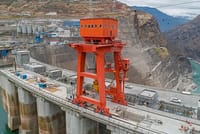
Upper Spillway Gate Gantry Crane: Reliable Solution for Dam Gate Hoisting and Hydropower Station Operations
-
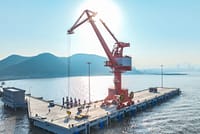
Harbour Portal Crane: Powerful and Intelligent Solutions for Efficient Port Handling
-
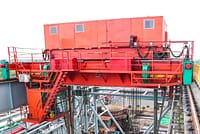
Coke Pot Crane for CDQ: Exceptional Heavy-Duty Red-Hot Coke Handling
-

Emergency Rescue Specialized Crane for Water-Rescue Simulation: Engineered for Lifesaving Training
-
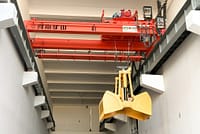
Intelligent Grab Bucket Overhead Crane: Powerful, Precise and Unmanned Bulk Material Handling Solution
-
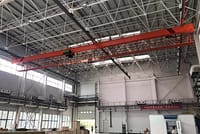
Custom Multi-Point Suspension Overhead Crane for Large-Span and Load-Sensitive Industrial Buildings
-
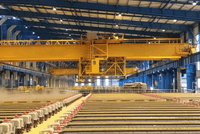
Electrolytic Copper Cranes: Specialized in Efficient Cathode Plate Tank Loading and Transfer
-
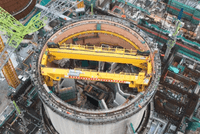
Nuclear Polar Cranes: Multi-Function Lifting Machinery For Nuclear Power Plants
-
-
Industry Crane
-
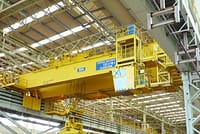
Industry Crane
-
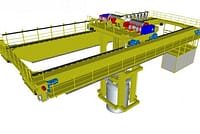
Tundish Cranes
-
Slab Cranes
-
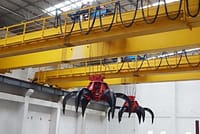
Scrap Cranes
-
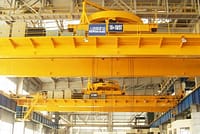
Billet Cranes
-
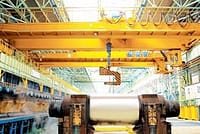
Coil,Bar and Plate Handling Cranes
-
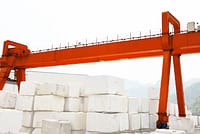
Cement And Precast Crane
-
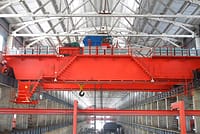
Power Station Crane
-
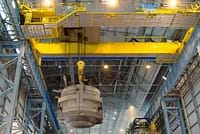
Ladle Cranes
-
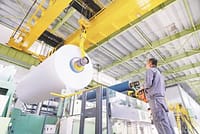
Paper Industry Cranes
-
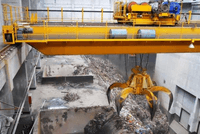
Waste to Energy Cranes and Biomass Cranes
-
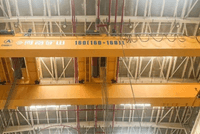
Tailored Overhead Cranes for Aerospace: High Precision, Efficience, Safety and Reliability
-
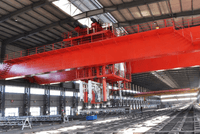
Anode Baking Multifunctional Cranes: Versatile, High-Temp Resistant & Smart-Controlled Must-Have for Electrolytic Aluminum Industry
-
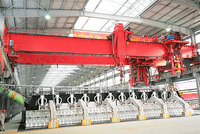
Multifunctional Crane For Electrolytic Aluminum: Fulfills All Aluminum Electrolysis Processes, Boosts Plant Efficiency
-
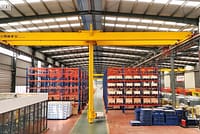
Warehouse Stacker Crane for AS/RS: High-Efficiency, Reliable, Fully Automated Storage
-
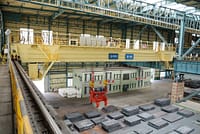
Slab Handling Overhead Crane: Metallurgical-Grade Crane for Continuous Casting and Slab Yards
-
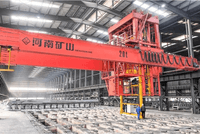
Anode Carbon Block Stacking Cranes: 6-Layer Stacking, A Lifting Solution for Carbon Plants’ Efficient Transfer
-
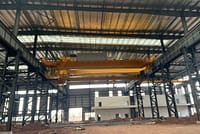
Quenching Crane for Heat Treatment: Process-Oriented Overhead Crane Solution
-
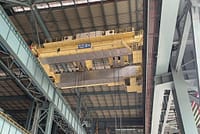
Safe & Stable Scrap Charging Overhead Crane for Metallurgical Feeding Operations
-
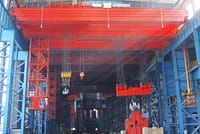
Forging Overhead Crane: Reliable Lifting Equipment for Heavy-Duty Forging Workshops
-
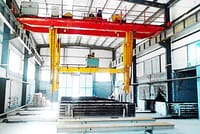
Mold Handling Crane for AAC Production Line: Reliable Engineered Fixed-Position Lifting Solution
-
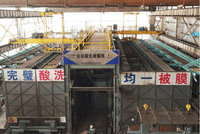
Pickling Overhead Cranes: For Acid Mist Environments in Non-ferrous Metal Smelting
-
-
Hoist & Winch Trolley
-
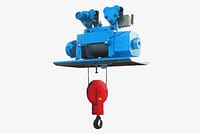
Casting Electric Wire Rope Hoist
-
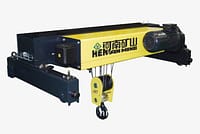
European Model Electric Hoist
-
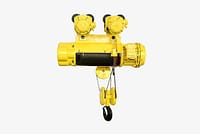
Explosion-proof Electric Hoist
-
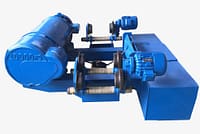
Low-headroom Electric Hoist
-
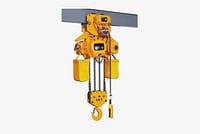
Electric Chain Hoist
-
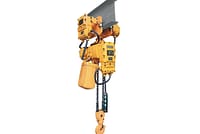
2 Types Explosion-Proof Electric Chain Hoists for Hazardous Zones: Gas & Dust Protection
-
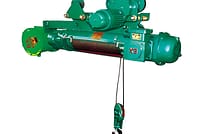
2 Types Explosion-Proof Electric Wire Rope Hoists for Industrial Safety: Reliable Gas & Dust-Proof Solutions
-
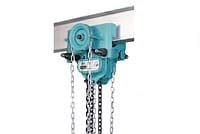
Manual Hoists for Precision Lifting: Explore 3 Proven Types for Power-Free Operation
-
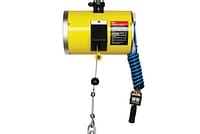
Air Pneumatic Hoists: 4 Specialized Designs for Precision, Safety, and Harsh Environments
-
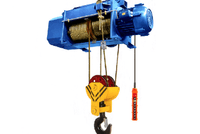
HC Type Electric Hoist: Heavy-duty Wire Rope Hoist for Factory Heavy Lifting
-
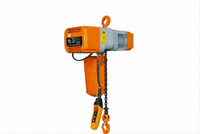
Fixed Single-Speed Electric Chain Hoist
-
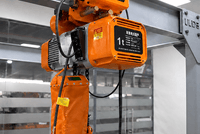
Trolley-Mounted Single-Speed Electric Chain Hoist
-
-
CRANE Spreader
-
Crane Electromagnetic Lifting Magnets
-
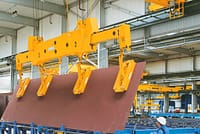
Lifting Electromagnet for Turning and Side Hung
-
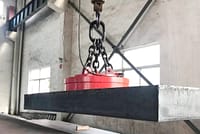
Lifting Electromagnet for Thick Plate
-
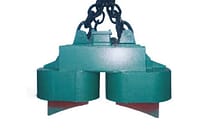
Specialized Electromagnet for Lifting Steel Plates
-
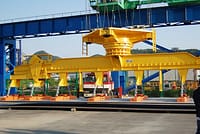
Lifting Electromagnets for Lifting Steel Plates
-
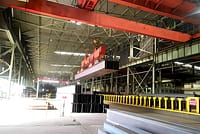
Lifting Electromagnet for Heavy Rail and Profiled Steel
-
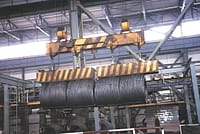
Lifting Electromagnet for High Speed Wier(Coiled Bar)
-
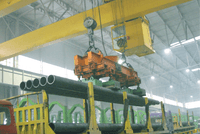
Lifting Electromagnet for Rebar and Steel Pipe
-
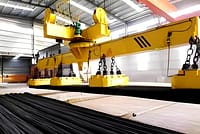
Lifting Electromagnet for Bundled Rebar and Profiled Steel
-
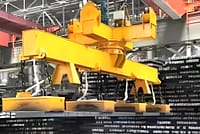
Lifting Electromagnet for Billet, Girder Billet and Slab
-
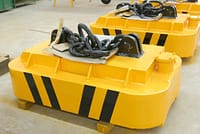
Lifting Electromagnet for Steel Scraps
-
- Crane Spreader
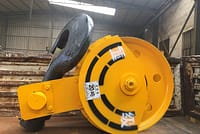
- Crane Hook
- Crane Lifting Tongs and Clamps
-
Crane Electromagnetic Lifting Magnets
- CRANE PARTS
- Transfer Cart
.png?w=200&h=134)